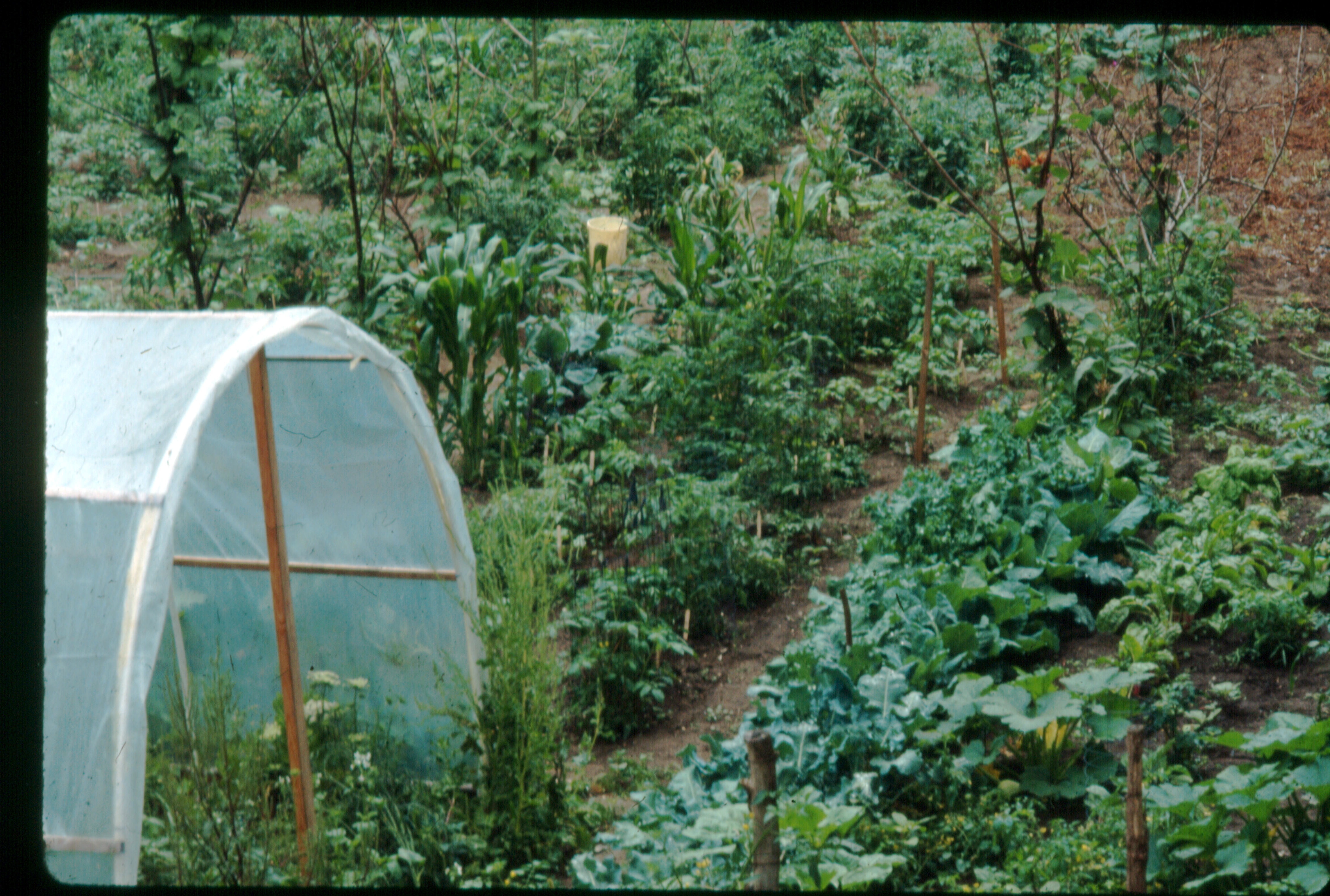
Seed Production at Flander's Bay Farm

Leek: St. Victor for Seed
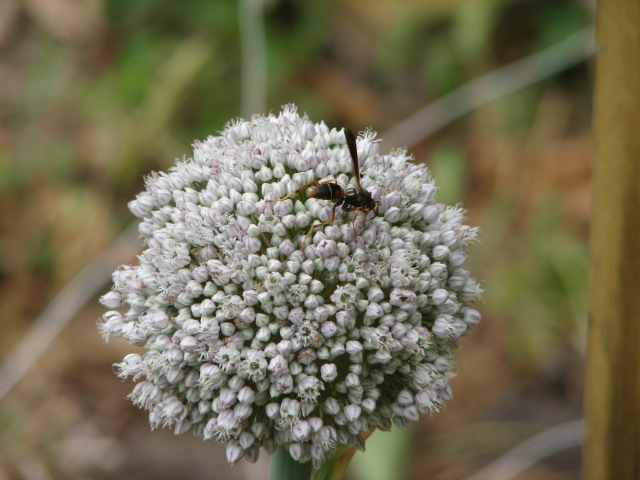
Allium Seed Production
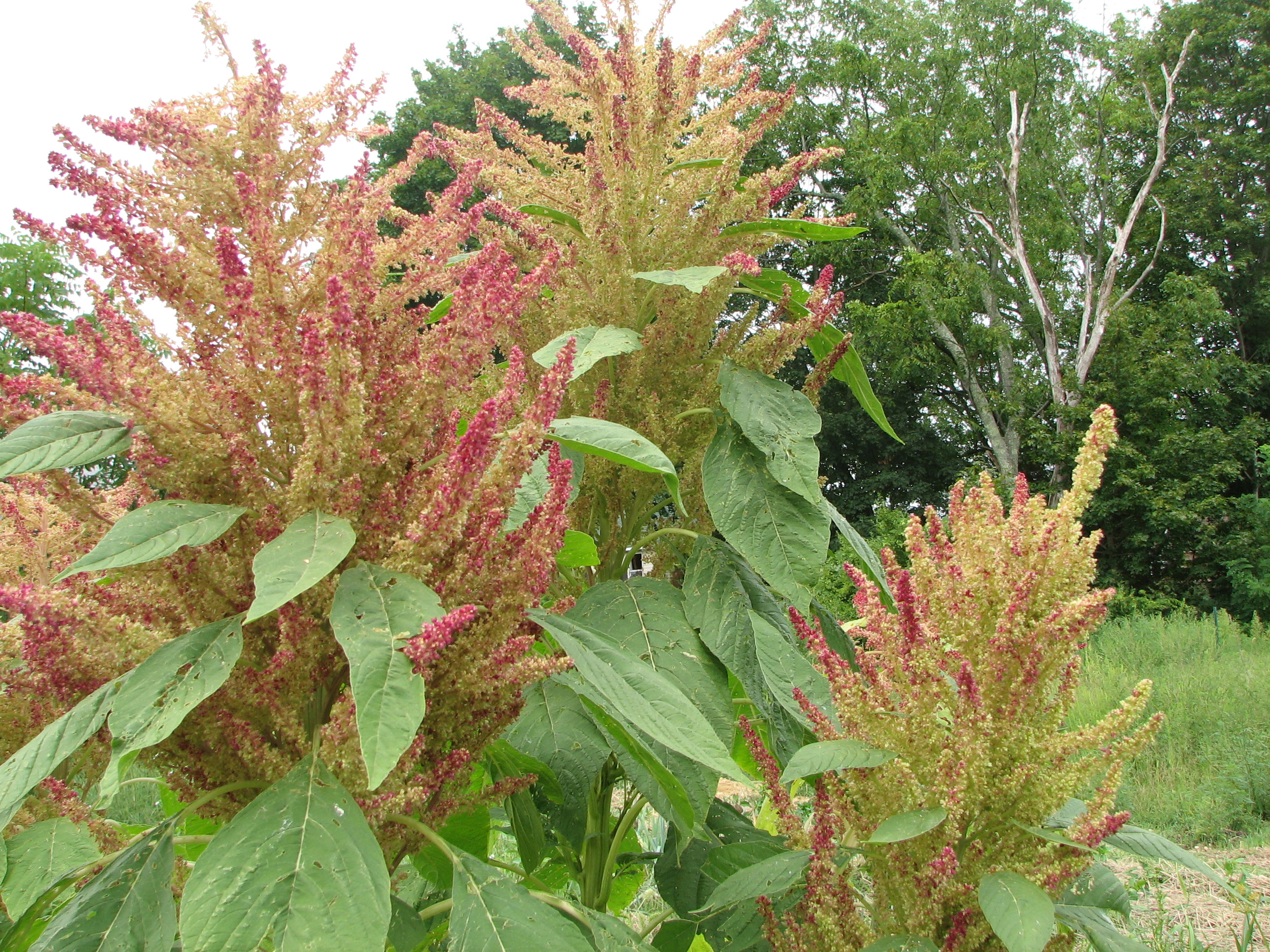
Grain Amaranth Seed Production
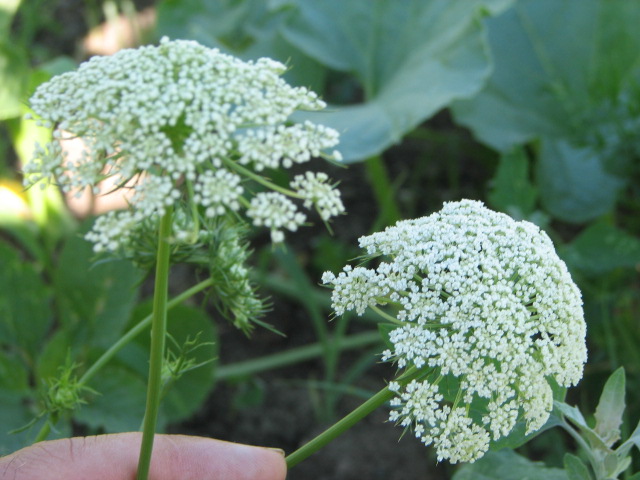
Carrot Seed Production
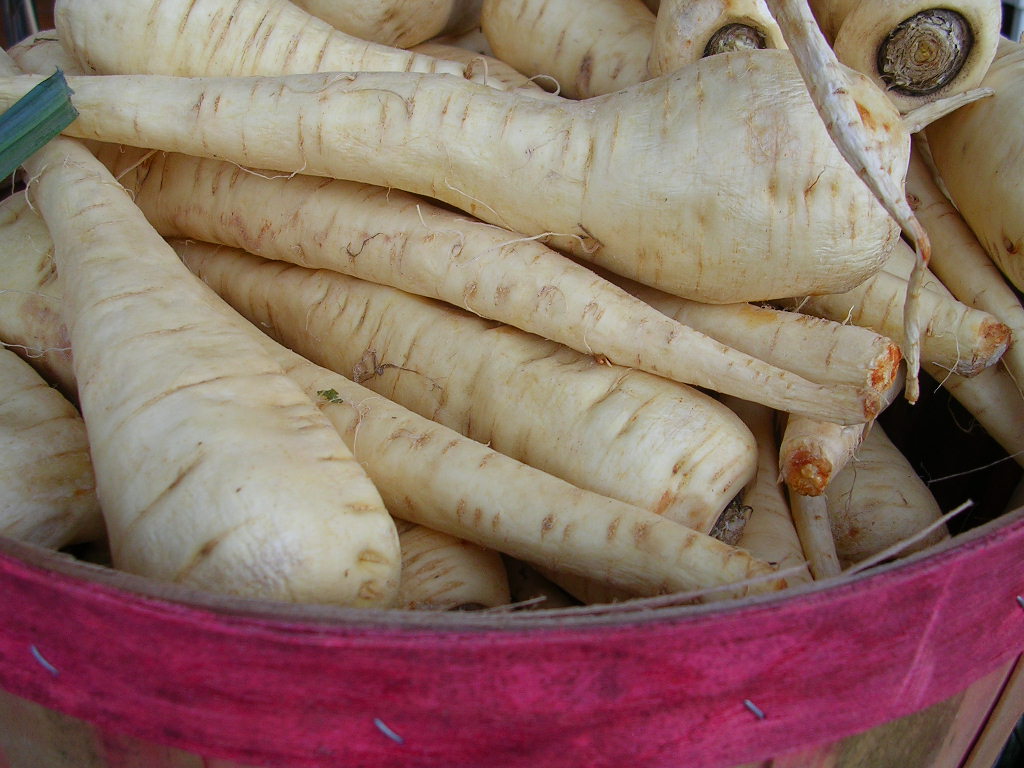
Parsnip Seed Production at FBF
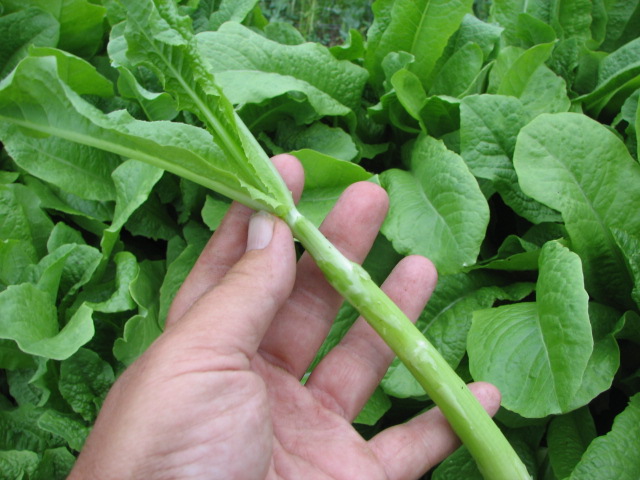
Lettuce: Asparagus
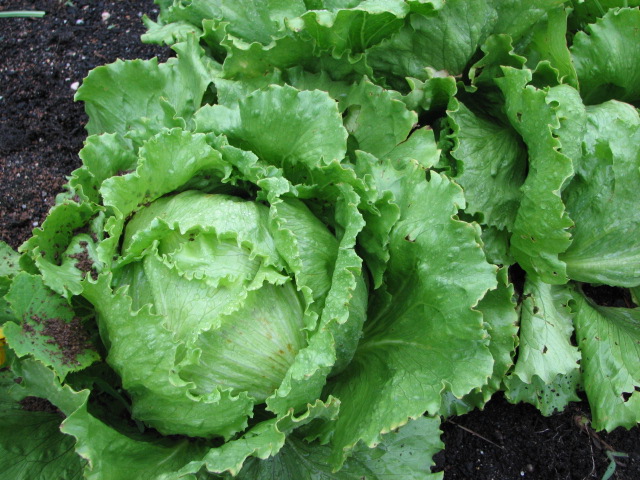
Lettuce: Vanguard 76 Seed Crop
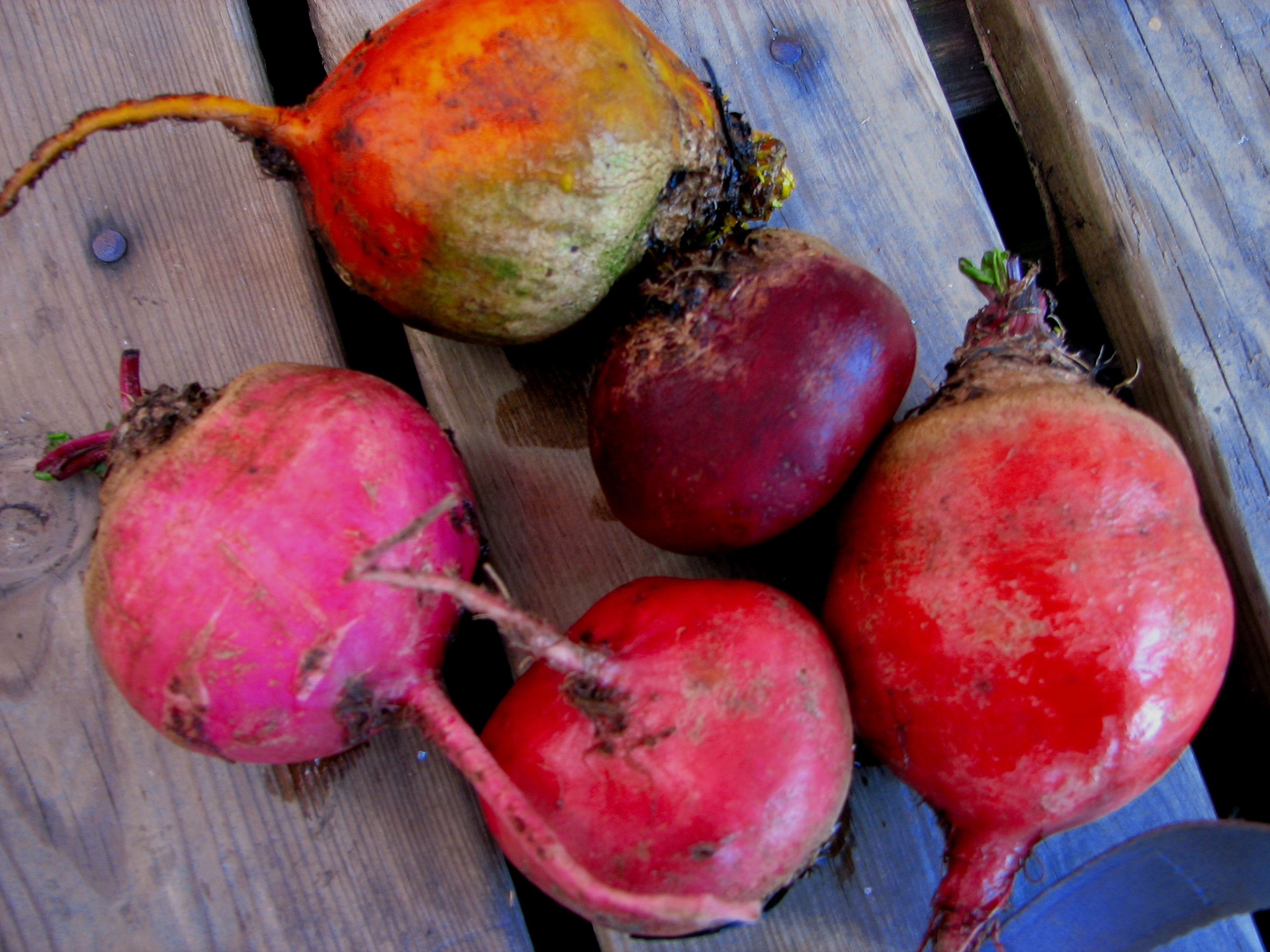
Beets for Spring Replanting
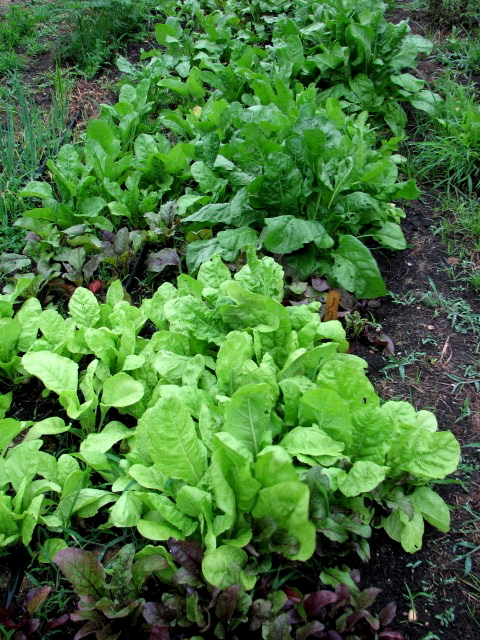
Chard: da Taglio Seed Crop
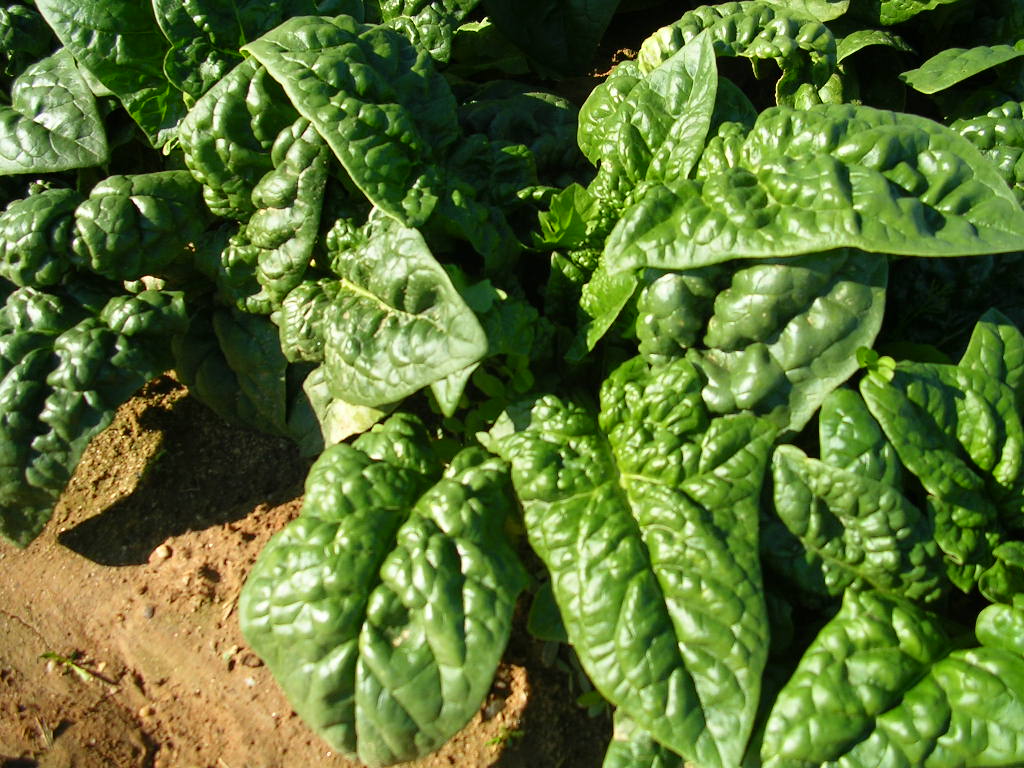
Spinach Seed Production at FBF
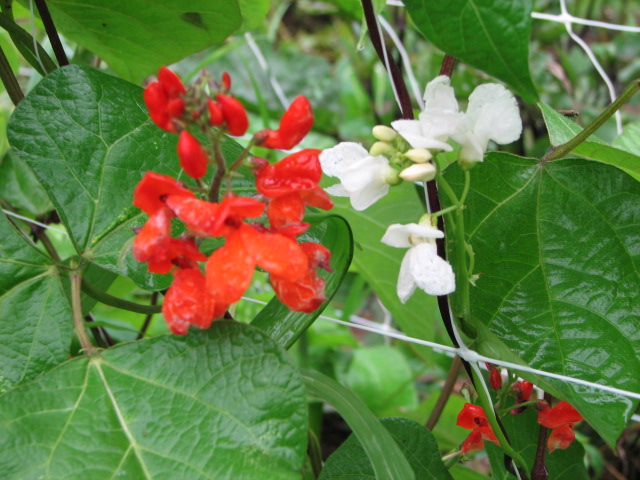
English Runner Bean Flowers
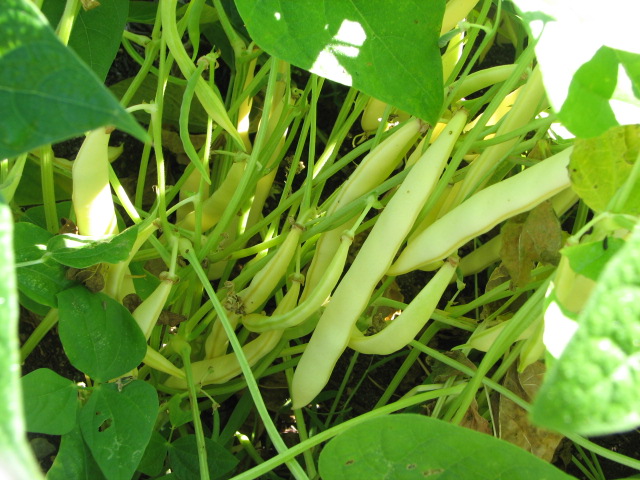
Bush Bean Blend

Garden Pea Blend
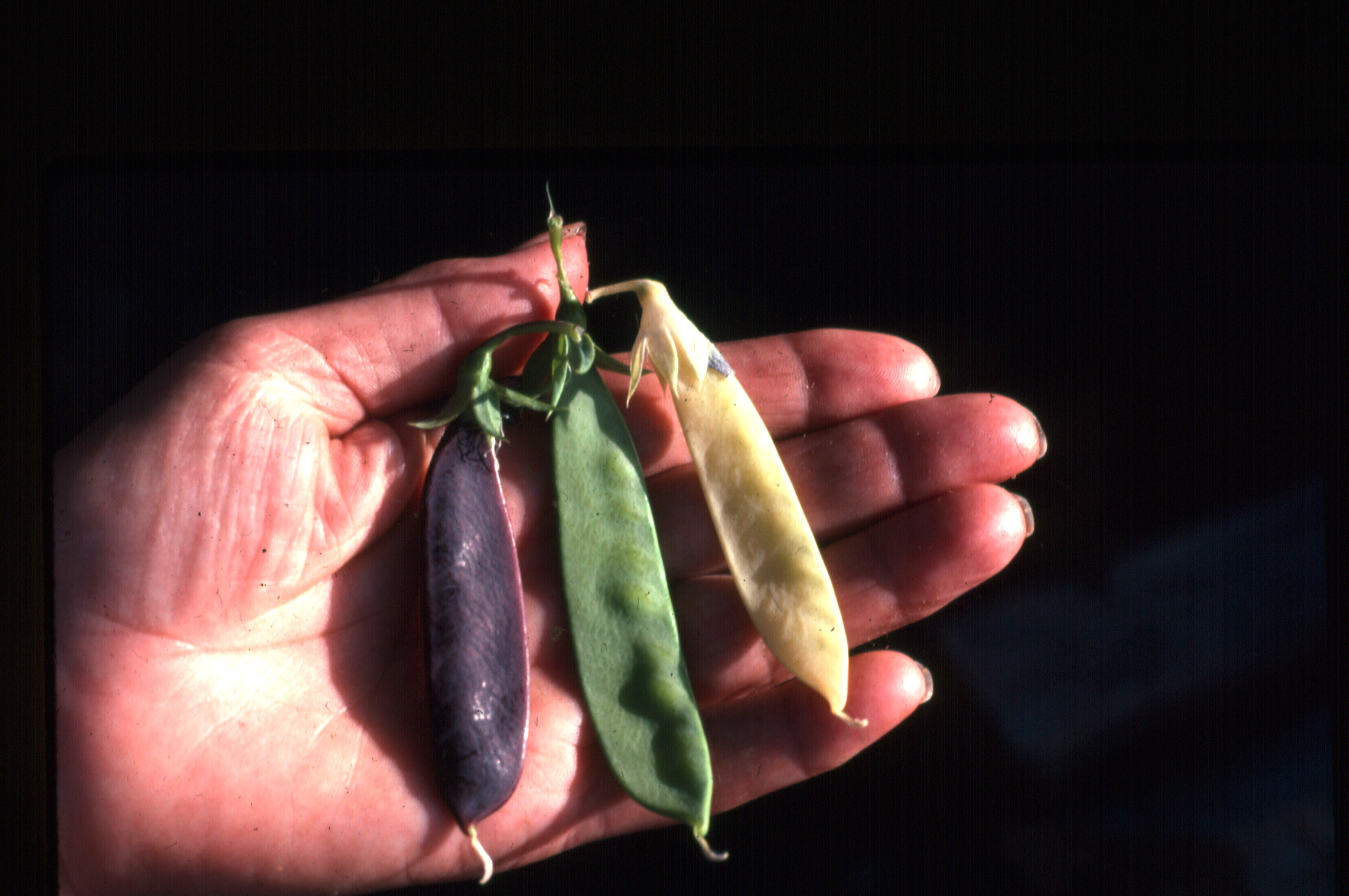
Snow Pea: Mendel's Madness Mix

Fava Bean Diversity
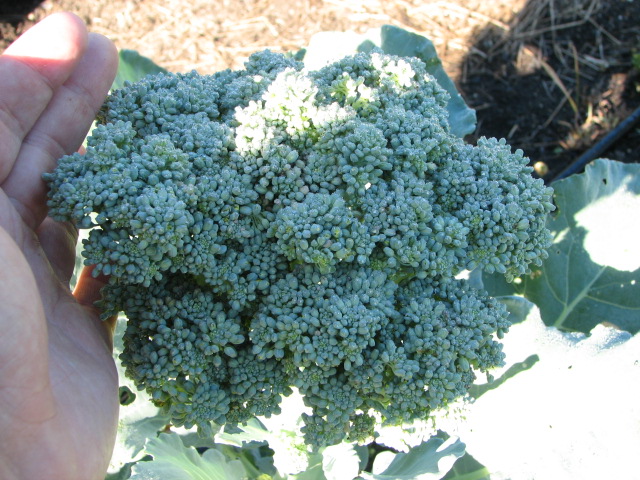
Broccoli Breeding at FBF
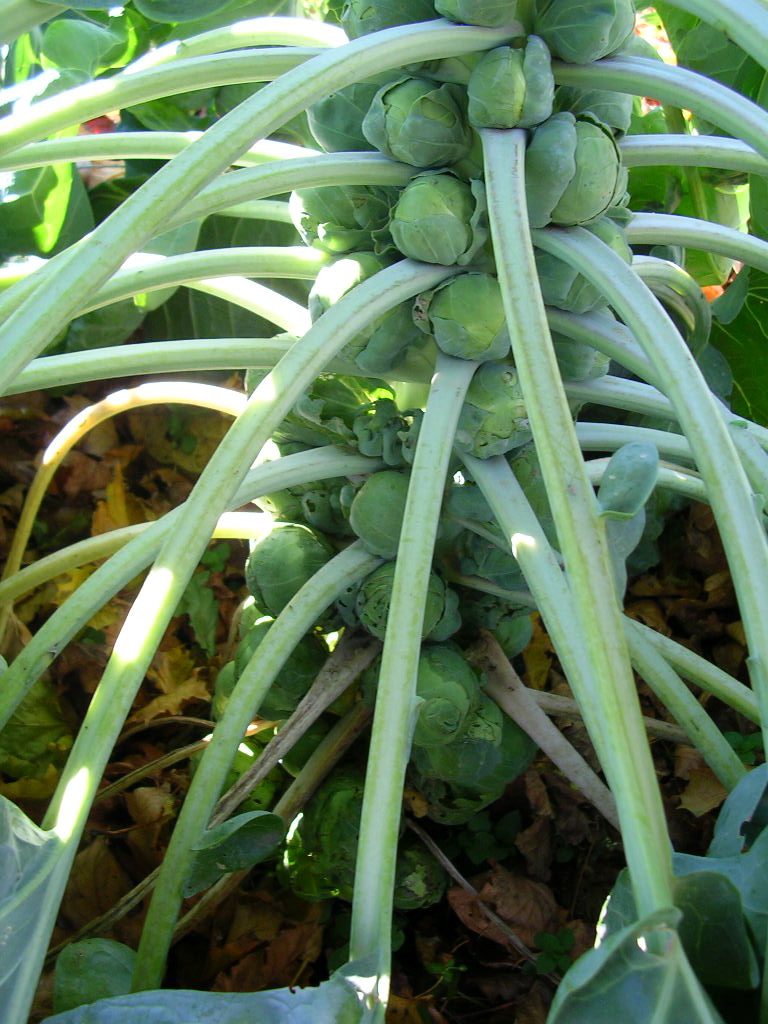
Brussels Sprouts Evaluation
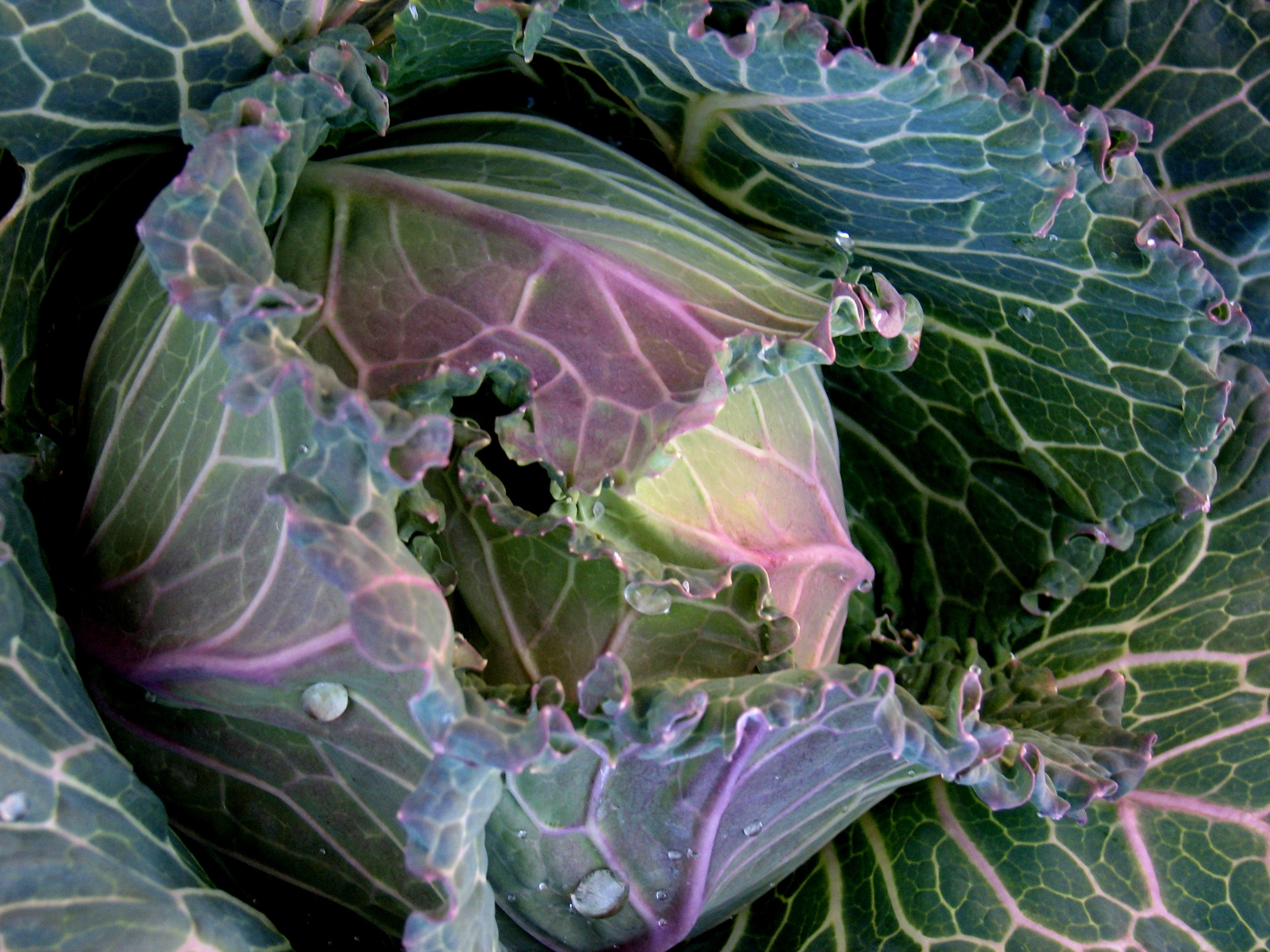
Cabbage: January King

Greasy Collard Seed Crop
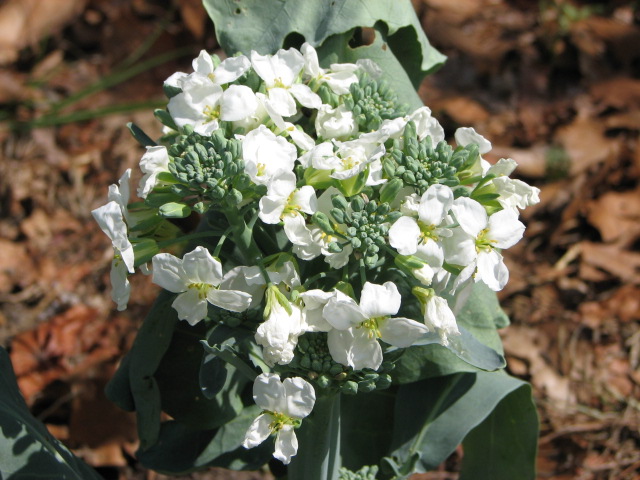
Kailaan Crosses

Kale: Multicolor
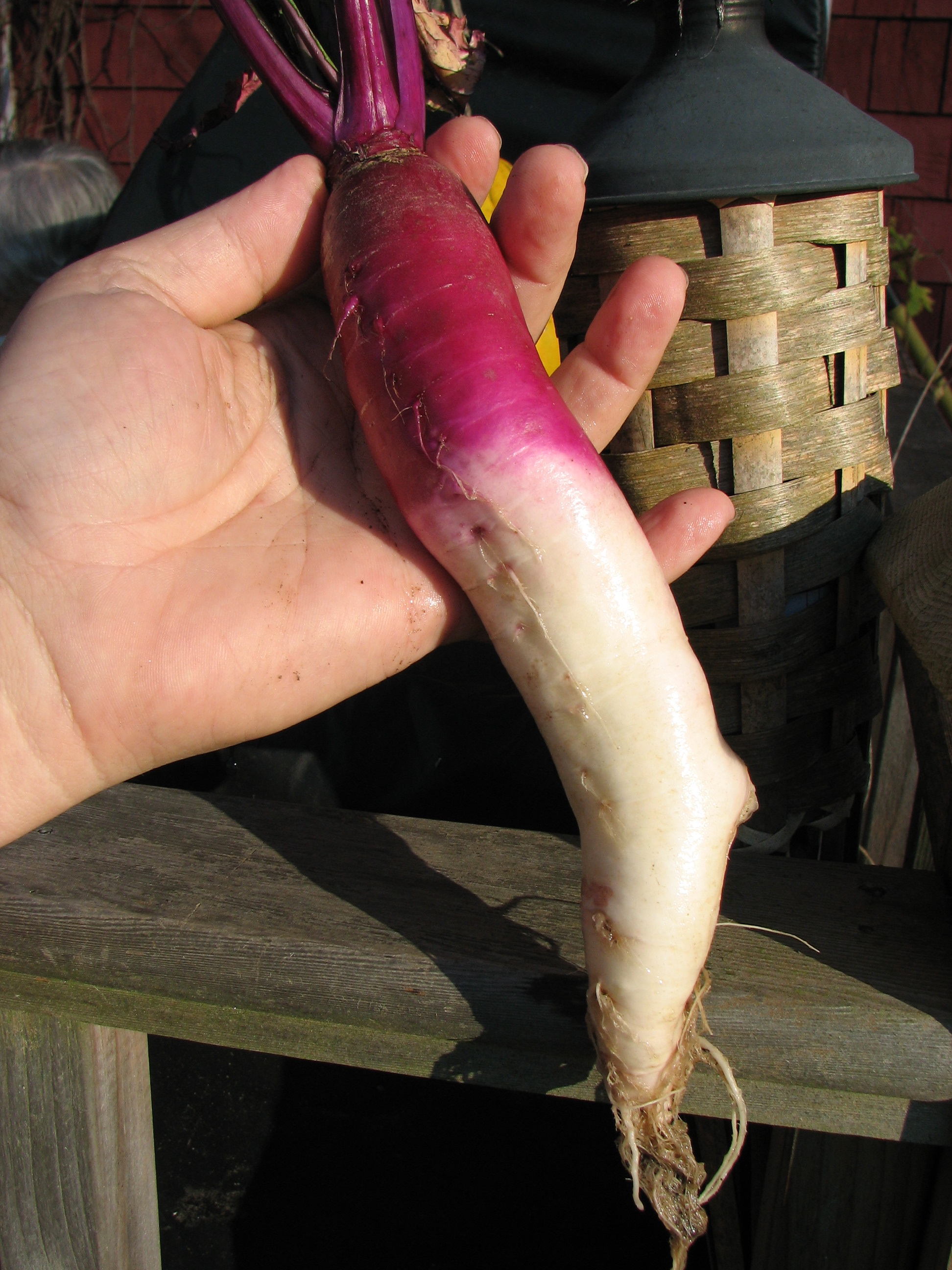
Turnip: Cherry Blossom
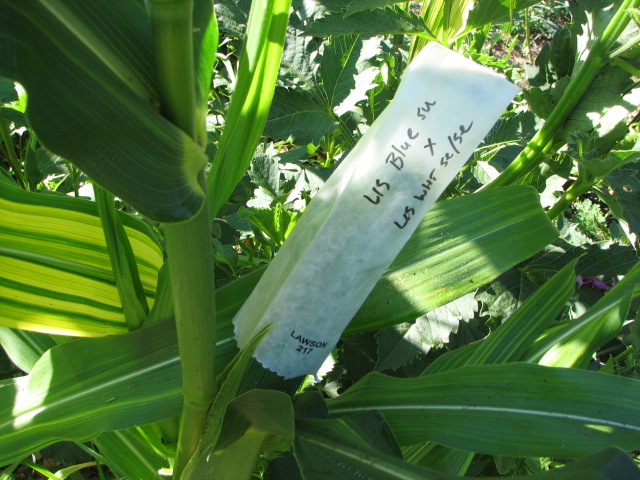
Corn Breeding at FBF

Foliage Corn: Old Gold
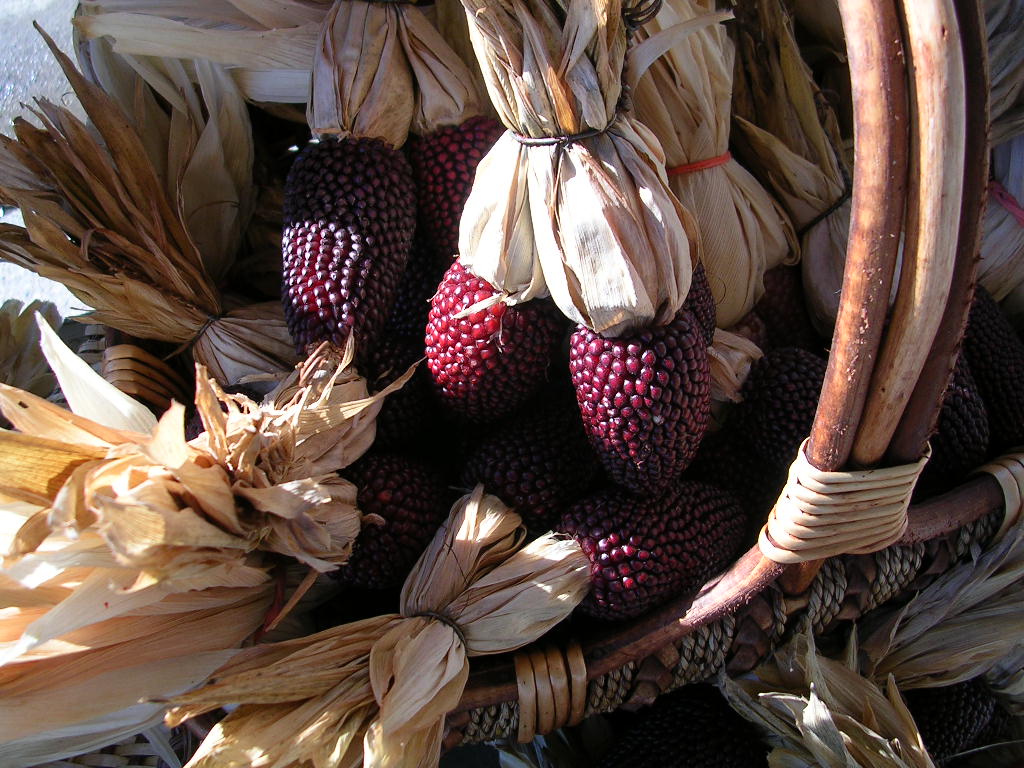
Popcorn: Strawberry
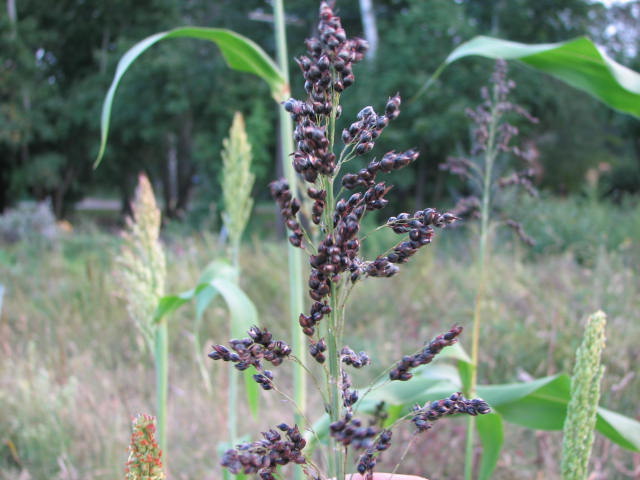
Sweet Sorghum Seed at FBF
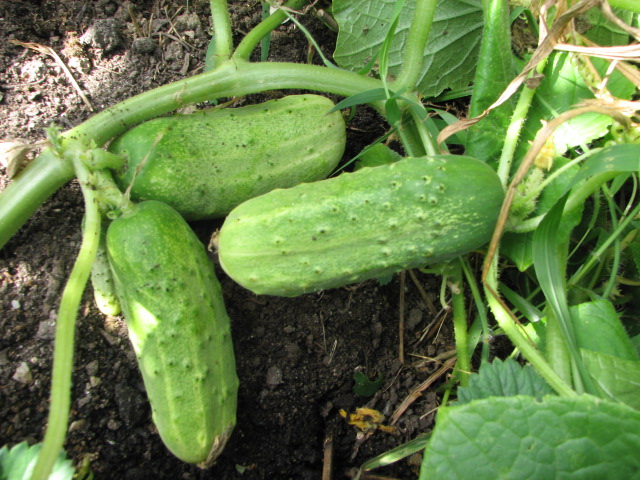
Cucumber: Pickle Blend

Cucumber: White Slicer Cross
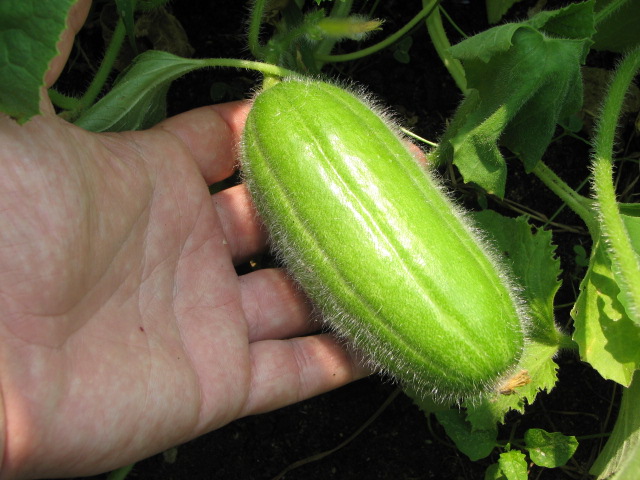
Cucumber: Carosello
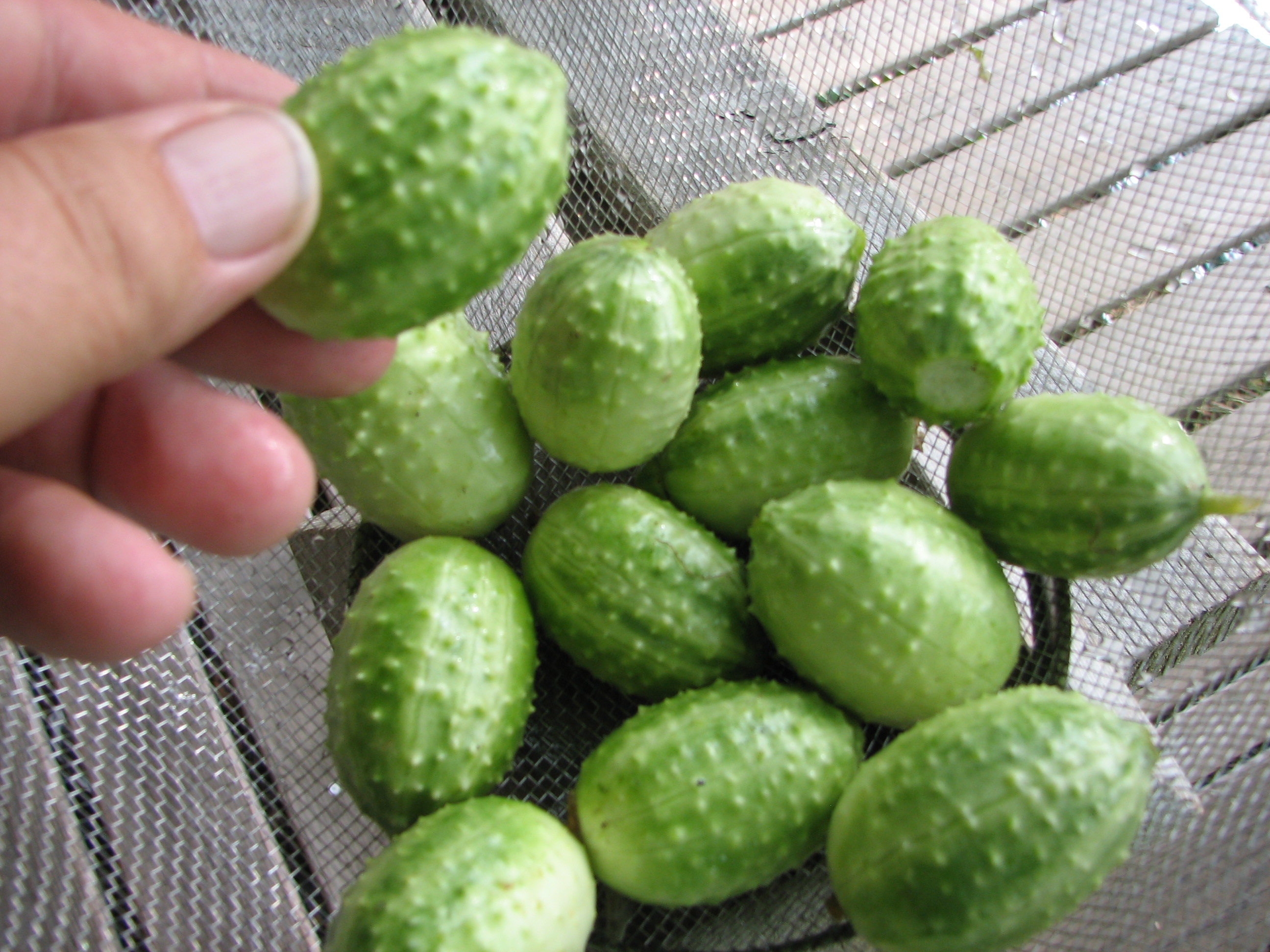
West India Gherkin

Cantaloupe: Green Blend
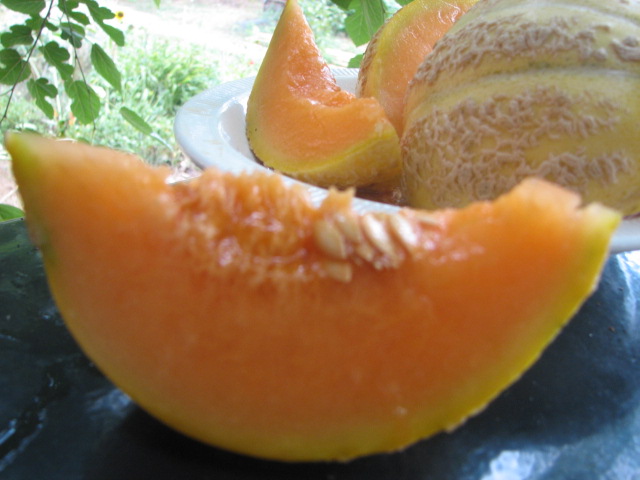
Cantaloupe: Golden Charentais
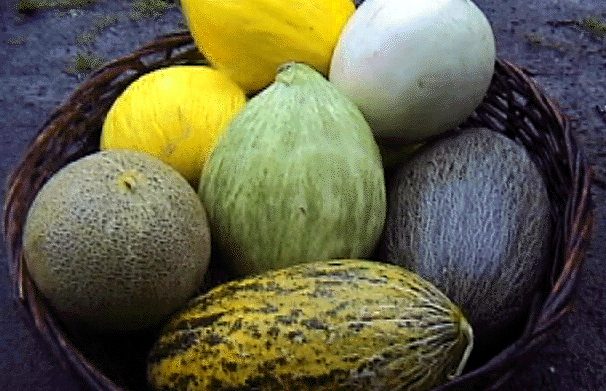
Melon: Exotic Blend
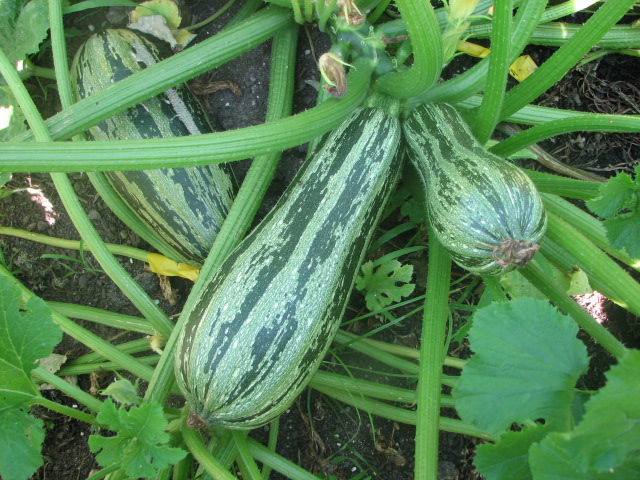
Zucchini: Super Caserta
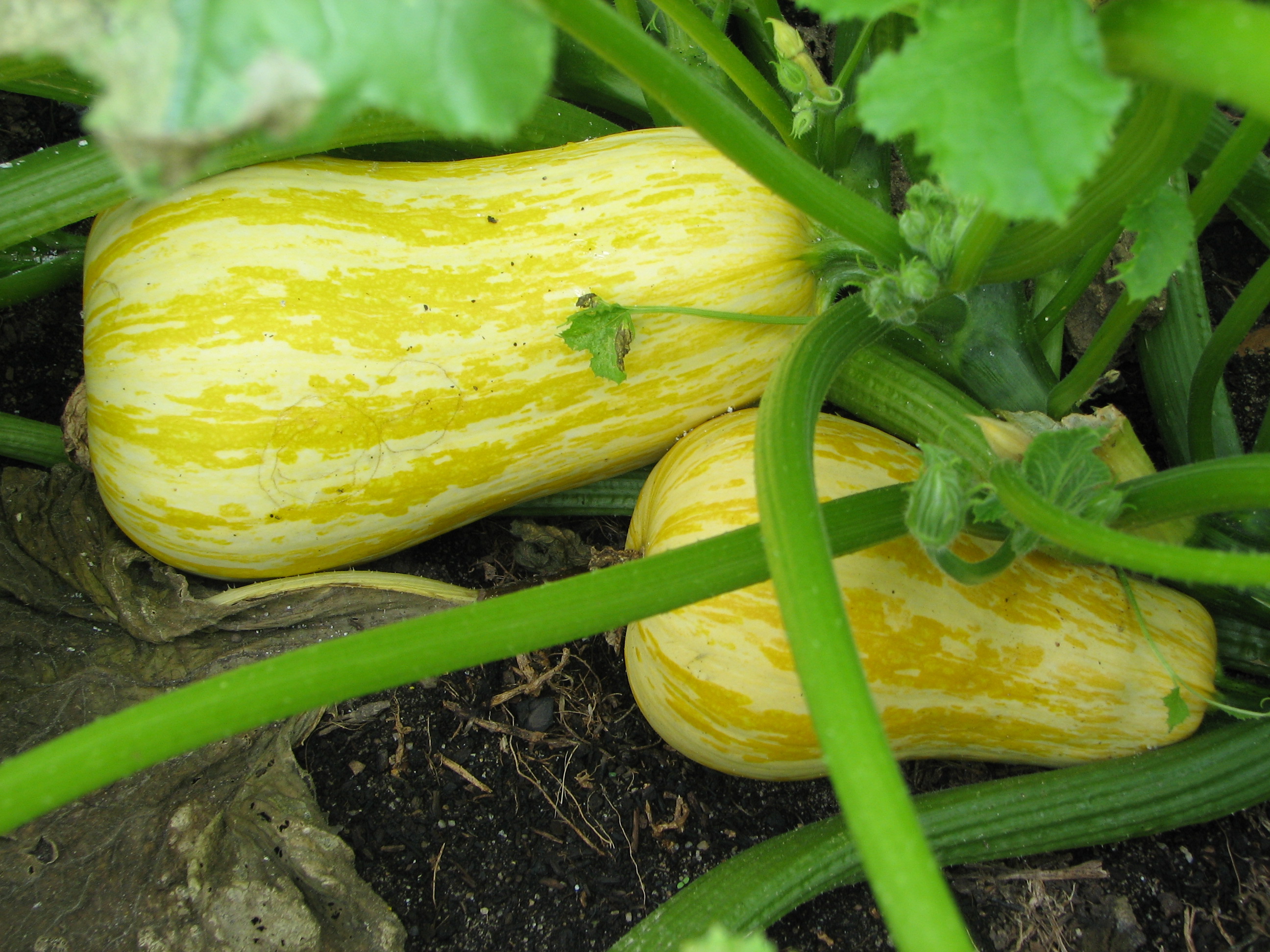
Zucchini: Buttermilk Selection
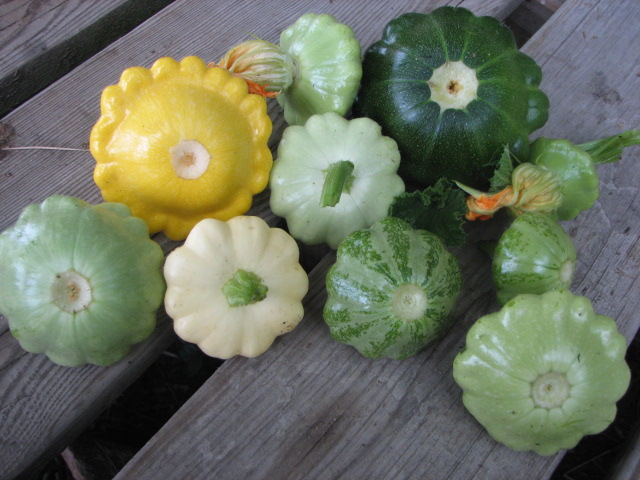
Colorful Scallop Mix Seed Crop
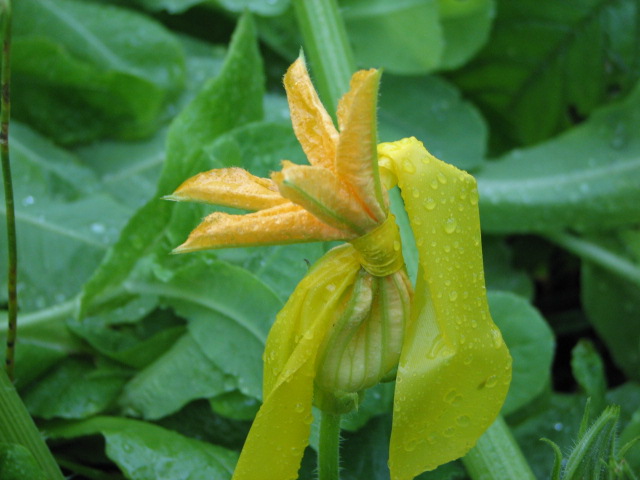
Squash Breeding Program on FBF
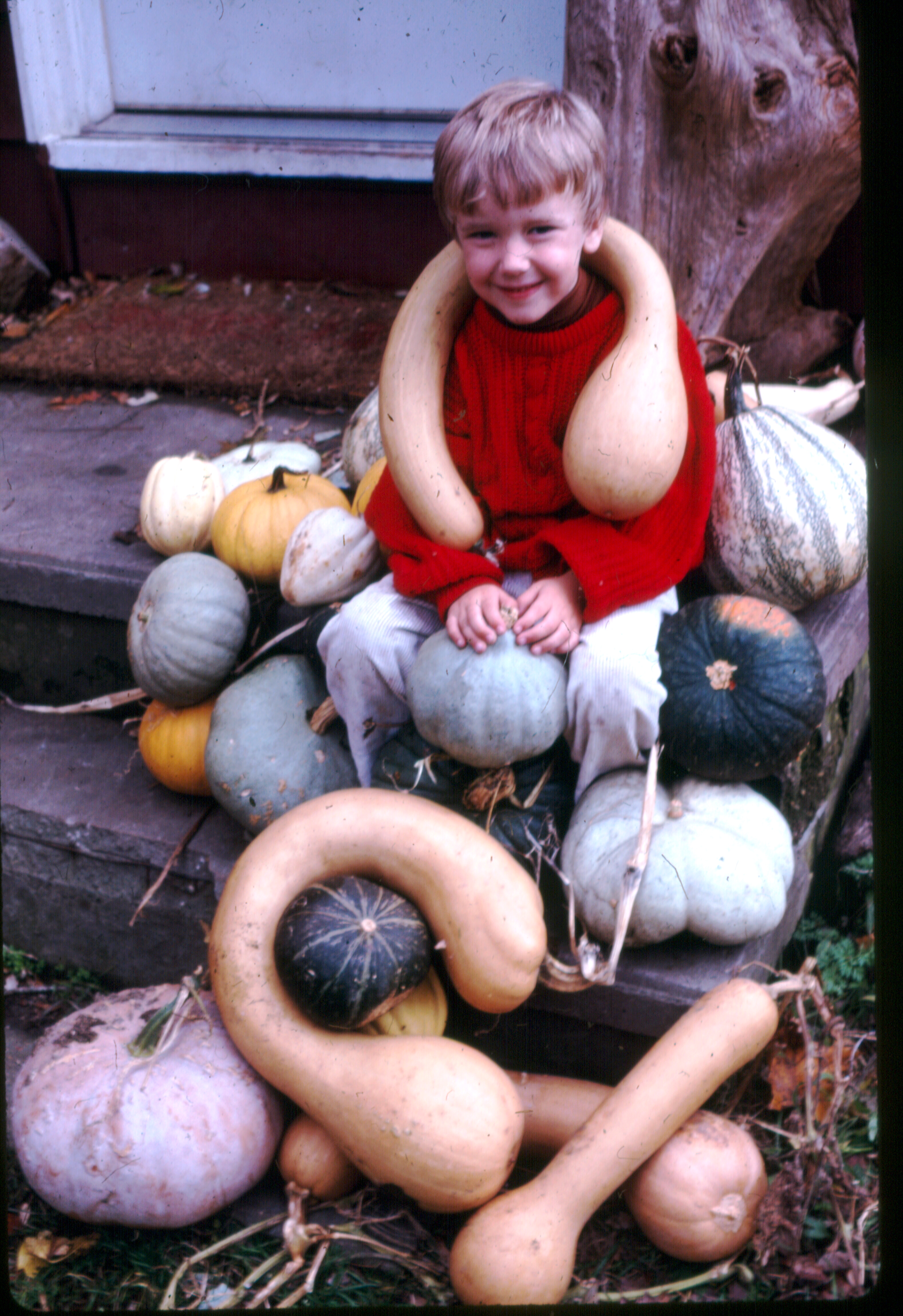
Zak and some C. moschata, "Neck Pumpkin"
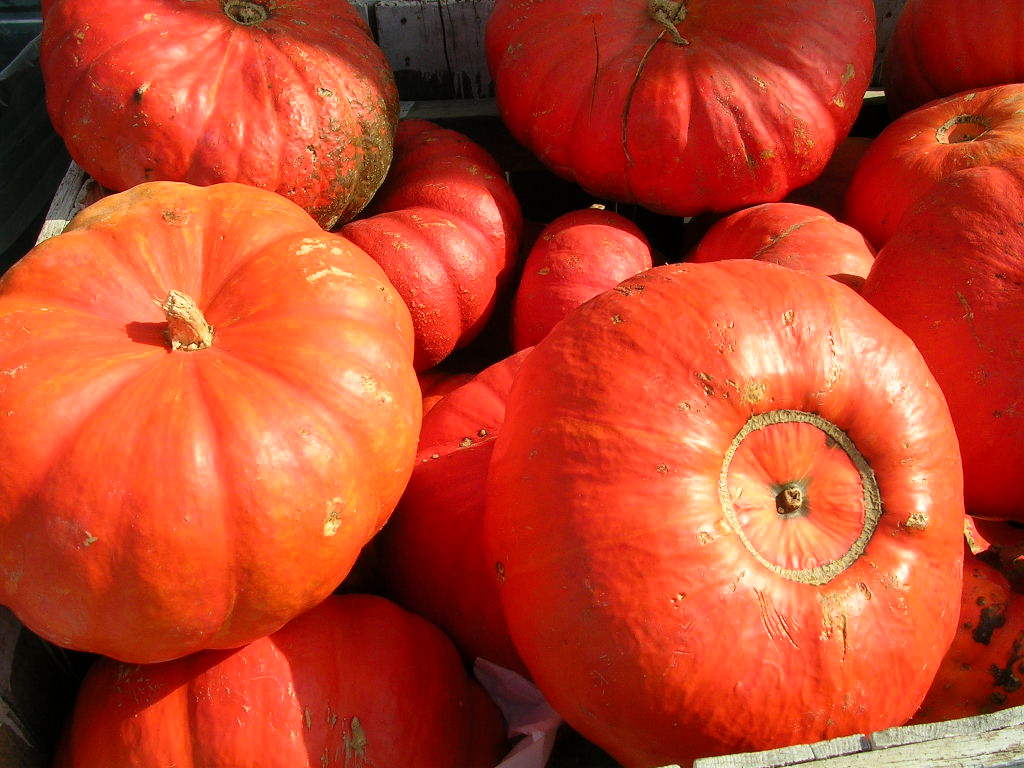
Cucurbita maxima: vif d'etampes

Acorn Squash: Complete Blend

Acorn Squash: OSU 19
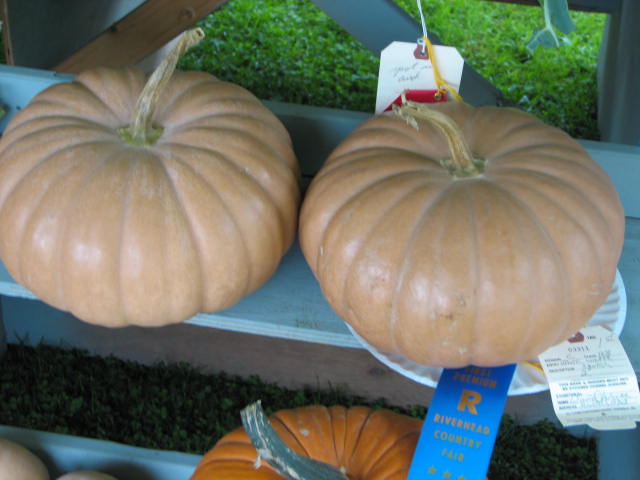
Long Island Cheese

White Pumpkin Crosses
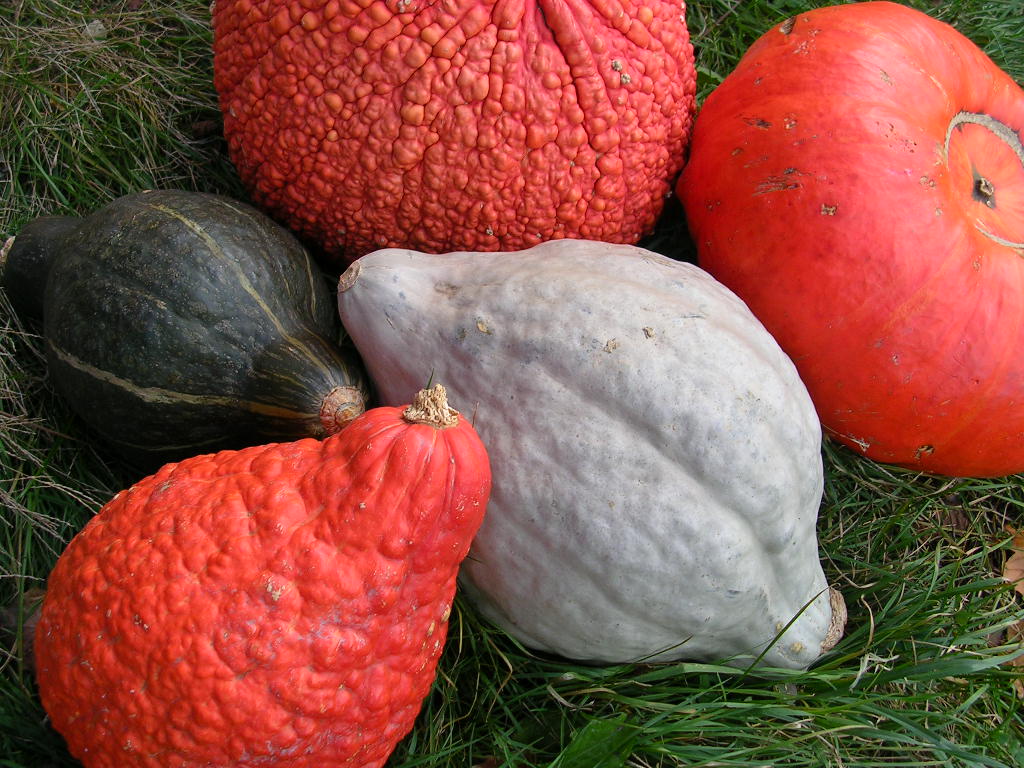
Assorted C. maxima

Edible Luffa Mix

Edible Gourd Mix

Sunbright Selections
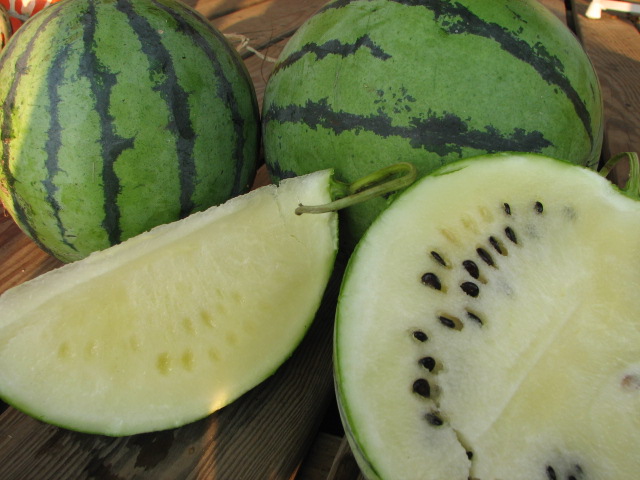
Watermelon: Cream of Sasketchewan
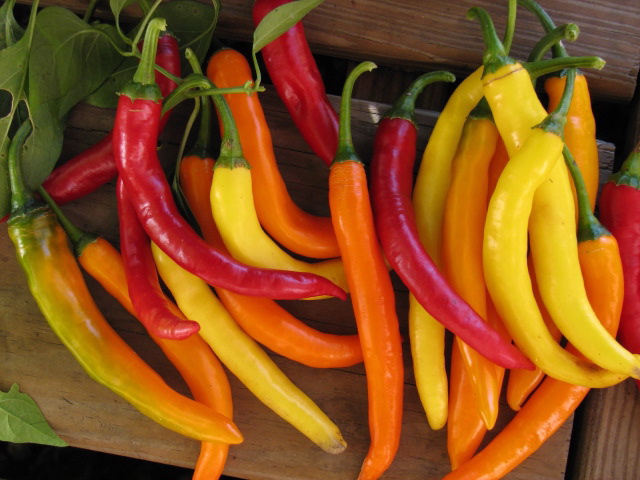
Hot Cayenne Color Blend
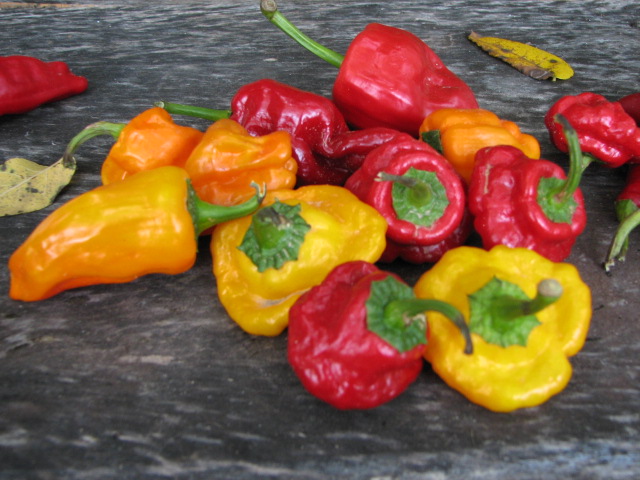
Hot Pepper: Ajies Blend
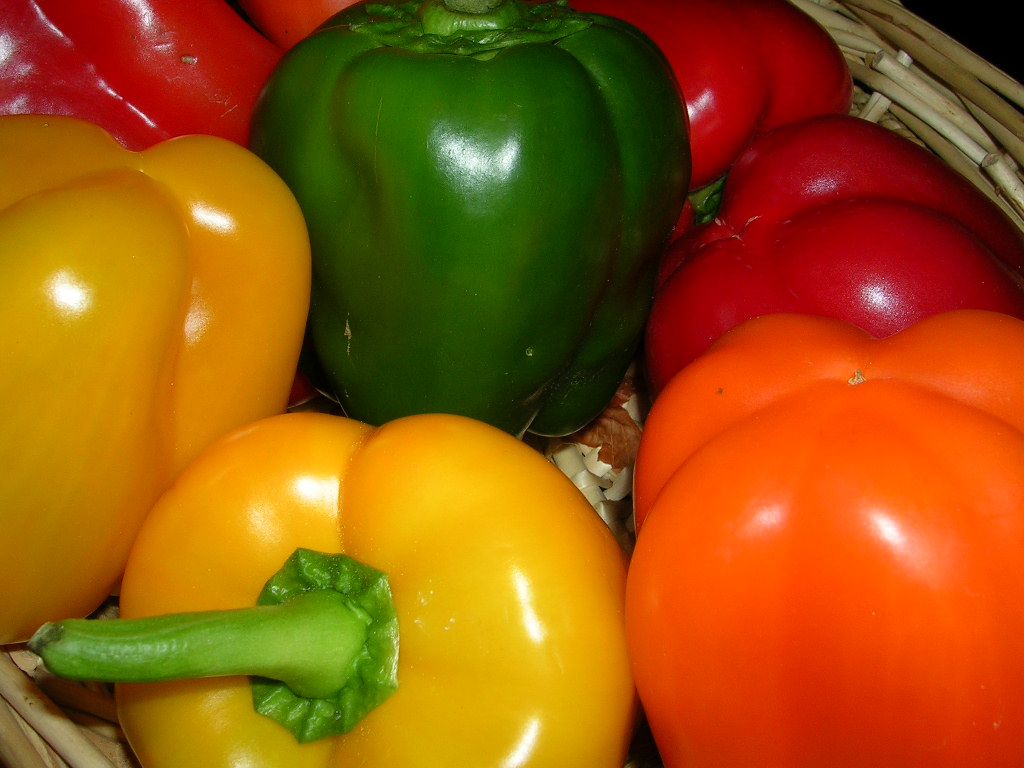
Sweet Bell Pepper Blend
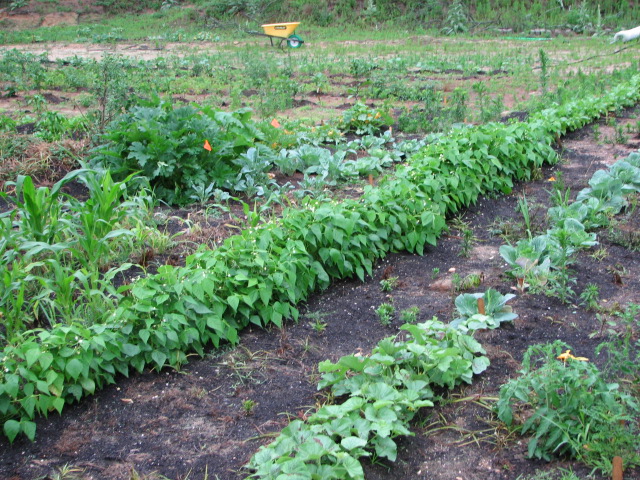
Small Scale Seed Production at FBF
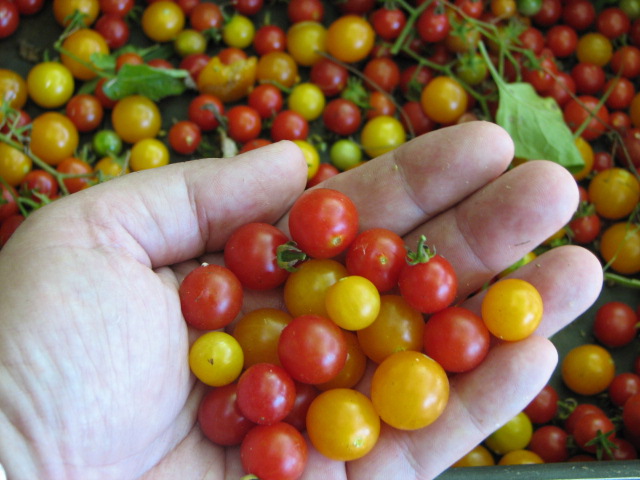
Currant: LISeed Mix
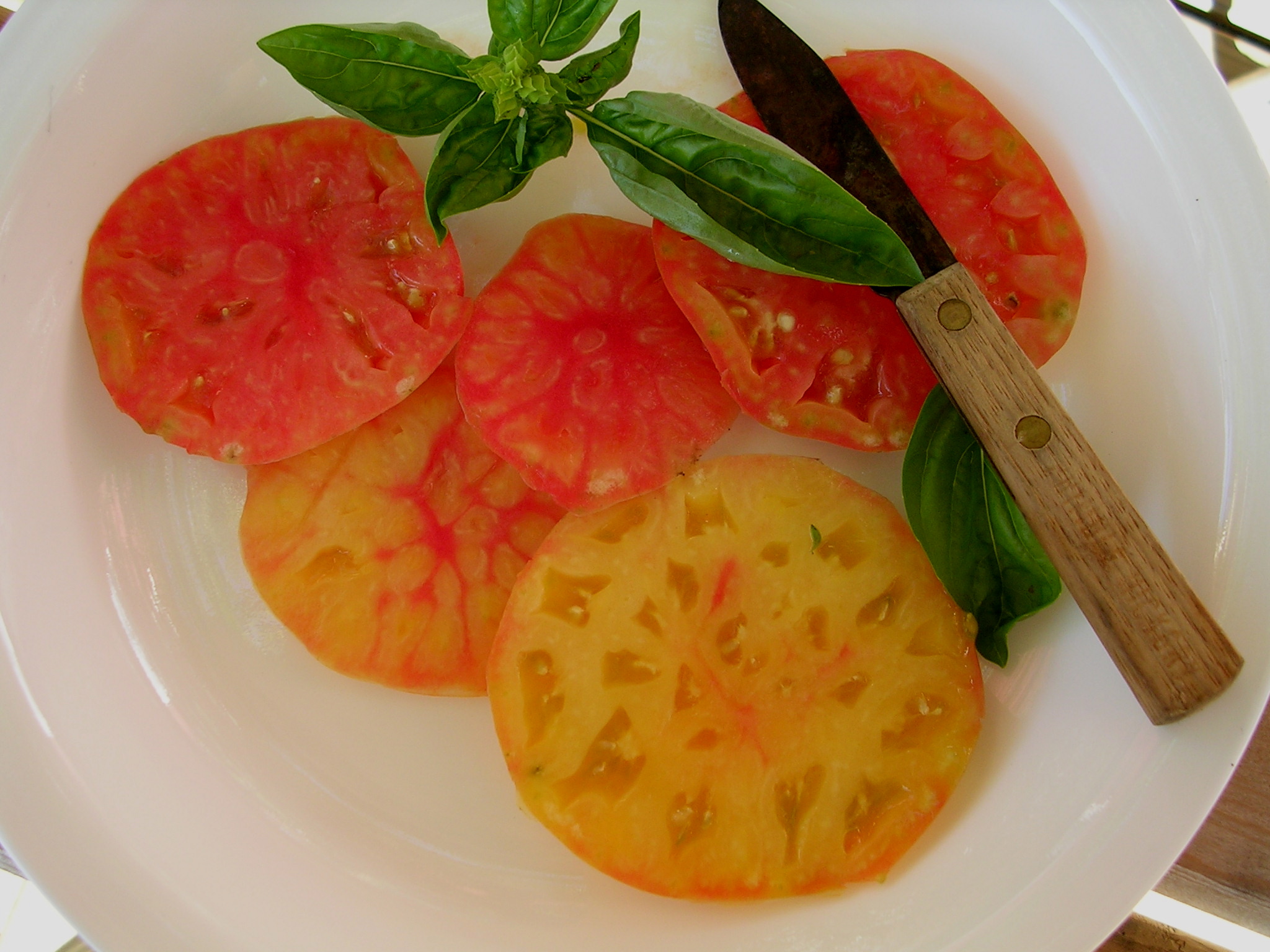
Tomato: Large Beefsteak Type
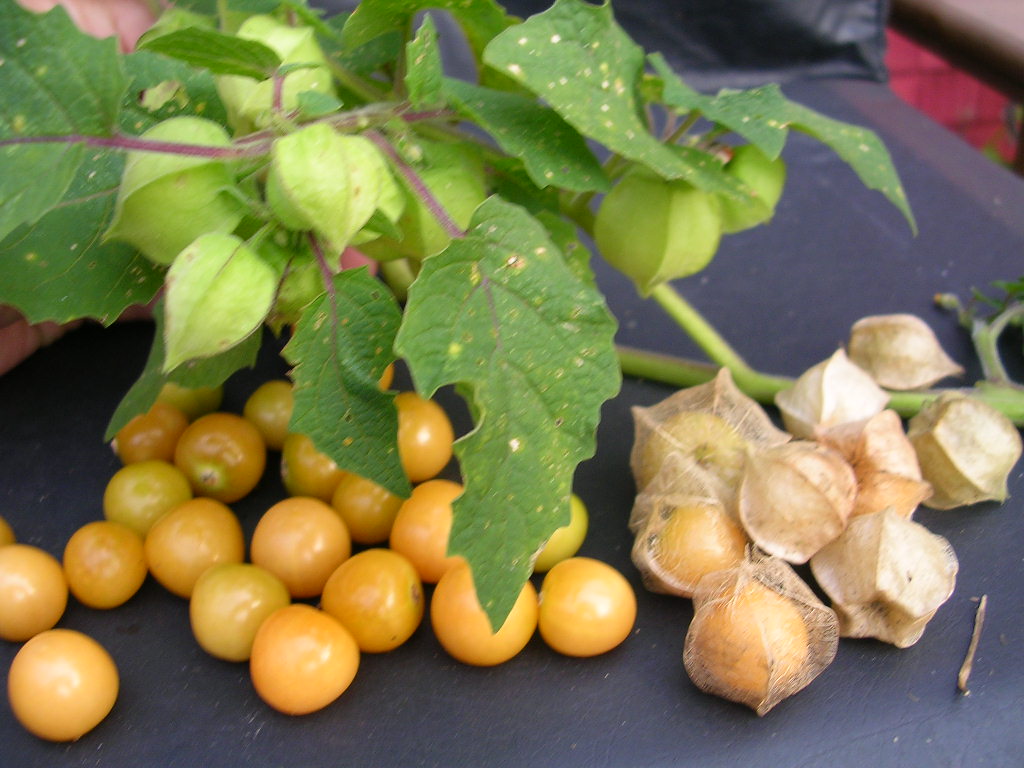
Husk Cherry: Long Island
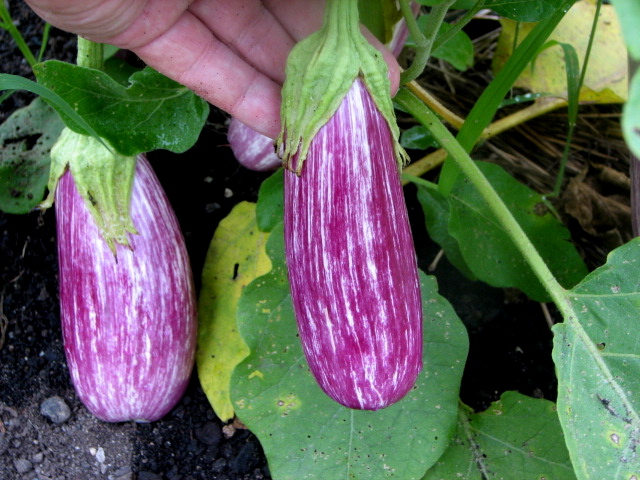
Award-Winning Antiqua Eggplant
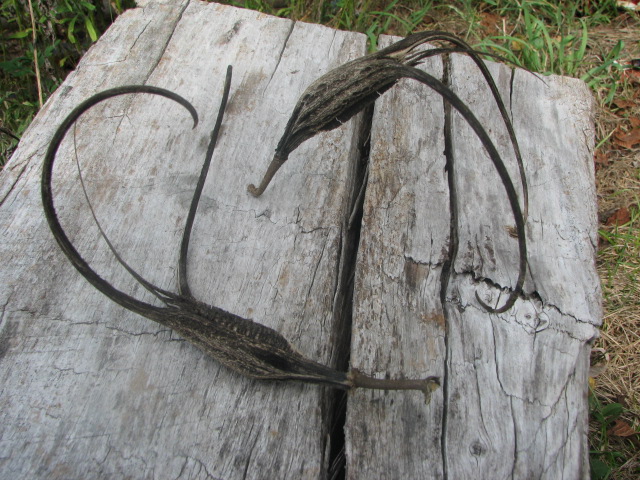
Devils Claw: Martynia
Seed List for Adventurous Gardens and Farmer Breeders
Note:
All of our seed is untreated. By selecting and requesting seed packets below you are agreeing that any seeds that you receive from liseed.org are for experimental purposes only.
Family: Alliaceae (Onion Family)
Genus: Allium
Hardy/Half hardy biennial. Allium seed should be sown early indoors and transplanted into the garden in spring. They are tolerant of a light frost. Leek and some scallions can overwinter (with protection in severe winter climates) to provide seeds the following year. Some scallions are perennial/dividing kinds and can produce multiple seed crops. While some bulbing onions can survive mild winters mulched, most should be overwintered in a frost-free location to be replanted in the next spring. Leeks can be root-cellared. Flowers are insect pollinated.
Leek (Allium ampeloprasum)
LEK08-Leek Blend (A. ampeloprasum)
we searched for leeks and found many distinct cultivars. Some of these are rapid growers and just great for summer greens; others are winter hardy and are nice winter storage varieties. There are more than a dozen varieties here. Tall slender summer kinds tend to be bright green, thick winter kinds are often bluegreen, white shanks. You will find considrable variation here.
LEK61-Leek- Saint Victor- This is a French heirloom leek which is very hardy and produces a nice thick leek. The winter "greens" takes on a purple tinge in the winter. We have the next seed crop wintering over now because of the popularity of this variety.
Onion, Bulb Onion (Allium cepa)
ONB25-Onion Blend (Allium cepa)
This is a mixture of bulbing onions, sweet and storage kinds, white, yellow and red colors. Small and large bulbs. These are day neutral or long day kinds suited for higher latitudes (above 37°). More than a dozen cultivars from US, Austrailia, Japan, Great Britain and Italy.
Scallion, Onion Greens (Allium cepa and Allium fistulosum )
SCA26- Scallions (Allium spp)
Mixture of green onions or scallions. Summer kinds as well as perennials that may prove very winter hardy. Some may reseed for you, some will keep dividing. A few produce a bulb but can be used primarily as a "green onion". From our production and many other sources.
Family: Amaranthaceae (Amaranth Family)
Genus: Amaranth
Annual. Some species self sow. Establish seedbeds by lightly scattering seed in full sun in spring or plant out seedlings in early summer. Seeds will germinate when soil temperature is 60°F. Wind and insect pollination. Hybridization is well known but usually maintains it's integrity as a species. Likes warmth. Cut seedheads when seeds are full and mature, lay on tarp in protected, dry area and allow to shatter.
Amaranth Spinach aka tampala, hon-toi-moi, chinese spinach (Usually A. tricolor, A. lividus, A. gangeticus, A. creuntus and hybrids)
AML15- Amaranth Spinach Mix
Better than pigweed (which is also an amaranth). This is a blend of vegetable amaranths some which are grown in the Orient and also tropical Africa and the Caribbean especially for the production of leaves that can be harvested and prepared like spinach (steamed and stir-fried). You will see some variation in leaf color, greens and reds mostly and perhaps subtle flavor variations. This group have smooth leaves and will produce succulent growth for repeated cuttings. Select those plants that meet your criteria to save the seed of. Many species included. Keep pinching back to harvest as well as maintain productive branching plants.
Amaranth Grain (A. hypochondriacus, A. cruentus, A. edulis , A. caudatus and hybrids)
AMG16- Amaranth Grain Mix
Some of the variations you will find in this blend will allow you to select for your own particular requirements such as popping. The principle grain crop of the Aztecs, it has outstanding nutritional qualities. There will be white and black seeded types. These will all produce great quantities of grain given good growing conditions. Some gardeners will grow these as a background plant in flower beds because of the beauty of their large and sometimes colorful inflorescences. We enjoy the ornamental value as well as the edible quality as we work with this group. Many species included including many ancient cultivars.
Family: Apiaceae (Parsley Family)
Genus: Apium
Celery is a Hardy/Half hardy biennial. Sow the seed early indoors and transfer the plants out in spring. They are tolerant of a light frost. They can be overwintered with protection such as mulching or earth mounding or may be root cellared. They will produce small flowers in small umbellate clusters and copious seed. Insect pollinated.
Celery aka stalk celery, blanching celery, self blanching celery (Apium graveolens)
CEL01- Stalk Celery Mix
A blend of stalk (petiole) celery varieties with very good quality petioles. We continue to work with this blend of modern and heirloom types from many sources to select for mild, sweet flavor, tender stalks and vigor under our cultural practices. We make this blend from about a dozen varieties that we have on hand.
Herb Celery aka cutting celery, leaf celery (Apium graveolens)
CEL03- Herb Celery Mix
Small bushy plants of thin stalks and many leaves characterize this group used for their aromatic leaves. Flavor is variable. European and asian cutting celeries are included.
Celeriac aka knob celery, root celery (Apium graveolens)
CEL02- Celeriac Mix
A blend of knob celery, selected for their solid flavorful root. Someday we'll work with this, until then, it stays in cold storage and when we can, we add a new variety. We have only about half a dozen kinds.
Genus: Daucus
Carrot (Daucus carota) Hardy biennial. Sow in the spring in the open ground. Tolerant of frosts. Roots can be harvested and root cellared for replanting and seed crops or left in the ground and mulched depending on climate. Insect pollinated. Easily crosses with wild carrot (D. carota) which will reduce root quality.
CAR07- Orange Standards
World's best carrots, orange color, some variety of shapes, variable adaption to soil types and climate fresh eating, summer and fall harvest, some winter storage kinds. Many different strains of Danvers, Nantes, Chantenay, Kuroda, Oxheart and more. Select your best roots to overwinter and plant out for seed the second year. This is the diversity you need to find the best performing type for your soil and growing conditions.
CAR08- Early and Orange Carrots
Round Parisian types and Finger-like small ones, pull them early for tender sweet treats. Adapted to forcing and rapid production, close spacing and early harvest. If the carrots in "orange standards" mature in more than 65 days, these are at their best when pulled between 45 and 65 days. Although we blend these early sweet types, you can hand divide them into breeding units on the basis of shape when you replant after winter storage of the roots.
CAR09-Carrot Color Mix
Our own very diverse mix of whites, creams, yellows, red and purple carrots with a minor percentage of orange in this blend make this an especially nice complement blend to the "orange standards". We are surprised at the availability of these carrots from such a great number of breeders but not the popularity. In the early 1980's we were hybridizing Afghan Purple and Belgium White to put into our genetically diverse "carrot mix".
Genus: Foeniculum
Fennel is a hardy perennial which will produce seed the first season if seed is planted early.
Fennel (Foeniculum vulgare) aka fenocchio, florence fennel, anise fennel
FEN05- Bulb Fennel Blend- there have been some selection of bulb fennels in southern Europe where isolated regions raise their own favored selections. The varieties we blend are similar and selected to produce inflated leaf stem (petiole) bases sometimes improperly called "bulbs" which are sliced and used raw or cooked as one might use carrot strips or celery. Besides the "bulbs, the finely cut leaves can be used as herb fennel to flavor greek dishes, sauces, and soups. Our fennel bed reseeds. We maintain the quality by rouging out inferior plants before they produce their umbel shaped flowers.
Genus: Pastinaca
Parsnip (Pastinaca sativa)
Hardy Biennial- sow seed early outdoors, winters over in the garden or root cellar for seed crop the following year. Insect pollinated.
PAR15-Parsnip Mix
an interesting blend of parsnips that are of very good culinary quality. We find them very useful in stews or oven-roasted during the winter. We have a good seed crop we produced at the farm. Fresh seed is essential each year but is very easy to produce.
Family: Asteraceae (Sunflower family)
Genus: Chichorium
Endive aka frisee, escarole, salad endive (Cichorium endiva)
Hardy/half hardy annual/biennial. Sow early. Biennial plants survive winter, mulching may be necessary depending on winter severity. Blue flowers are insect pollinated.
END10- Endive and Escarole Blend (Cichorium endivia)
This is a diverse blend of some rather beautiful frizzy endives and broader leaved escaroles which tend to self blanche and some rather wild looking kinds. All fine salad types.
Chicory aka witloof, belgium endive, radicchio (Cichorium intybus)
Hardy Perennial which will overwinter and produce a seed crop the following years.
ENL11- Chicory-Leafy Head (Cichorium intybus)
This is a blend of chicory that will produce abundant leaves for salads through the summer, quite frost resistant. Some of these tend to form a kind of loose head or rosette of leaves when it becomes colder, others develop some interesting color.
END12- Chicory- Dandelion, Catalogna Chicory (Cichorium intybus)
These elongate leaves, smooth or notched are reminiscent of the wild dandelion and have a similar tart but pleasant flavor in salads, nice mixed in with lettuce and served with a vinegarette. A great substitute for spring dandelion greens. Italian and domestic seed. We enjoy growing these kinds especially.
ENH13- Chicory- Heading Kinds (Cichorium intybus)
This is an interesting blend of chicory sometimes known as Belgium Endive or Radicchio depending on rounded or elongate heads. Not all of these will make compact heads depending on your climate. They tend to do well as the cooler weather comes in fall and may be dug in winter and forced for winter greens. Varied colors.
Genus: Cynara
Tender perennial, treated as annual. Start early (Jan) from seed indoors, transplant into 4" pots, expose to cold weather (40°) in March/April to vernalize -produce flowers (but protect from freezing). Plant in rich soil, black plastic mulch helps in accelerating growth in spring. In hot summer, mulching and irrigation helps to cool roots and prevent heat dormancy. Blossoms are insect polllinated and when flower matures and dries on stalk harvest seeds. Roots must be protected (below 20°F) for winter survival. Second year plants provide a bigger harvests, spring buds and a better opportunity for maturing ripe seed. Seeds of Cynara species will produce an interesting variable population. We provide seeds from many global sources. Propagate outstanding plants you develop by suckers at base of plant.
Artichoke ( Cynara scolymus)
ARG10- Blend of Globe Artichokes ( Cynara scolymus)
We have had some success bringing artichokes to fruit (actually bud) when started sufficiently early. They produce big, beautiful thistle-like plants with great grayish foliage This blend comes from the collection of varieties that we have acquired in our attempt to produce crosses that bear early and winter over well in our zone 7, some little early purple kinds from our Italian friends who grow them here, others larger and more mainstream. We haven't yet had success producing crosses- maybe you will succeed. Interesting thistle flowers when you let them bloom.
Cardoon (Cynara cardunculus)
ARC11- Blend of Cardoons (Cynara cardunculus) aka artichoke thistle
Impressively large thistle-like plants related to the globe artichoke. Requires a long, cool growing season, rich soil and adequate moisture for best thick stalks. In the fall these are tied in order to blanch the center stems which are prepared. Tangy artichoke flavored "greens". Watch stalks (leaf petioles) for fine spines on some varieties.
Genus: Lactuca
Lettuce (Lactuca sativa) Half Hardy Annual. Sow in the spring, tolerates light frost, transplants well. Bolts first year, produces an easy seed crop. I don''t find a lot of crossing but I'm sure it can.
LETTUCE (Lactuca sativa)
LET21- Romaine Lettuce Mix- a blend of cos lettuces which we especially like for the extended harvest, tall leaves with succulent midribs and sweet taste.
LET22-Crisphead Lettuce Mix- we blend a dozen different crisphead lettuces. Some people might find that these are difficult to grow. That's why it's important to try many. You can harvest the upper half of the head to try the flavor and still get a seed crop later in the summer. Save seeds of the best.
LET 23- Bibb Type Lettuce Mix- a mix of bostons and bibbs, nice creamy hearts surrounded by loose generally green leaves
LET24- Loose Leaf Cutting Letttuce Blend- very diverse mixture of no less than 20 different kinds of leafy lettuce. We have some extra reds in the blend this year from our evaluation plot of red leafy kinds last year.
LET76-Yu Mai/Asparagus- we grow these two together to produce a beautiful bouquet of long narrow leaves and a crispy center stalk that should be harvested in the cooler days of late spring, sow it early. Wider leaved type will produce a thicker center stalk which can be lightly peeled and steamed like asparagus or eaten as a crispy salad in early summer. We found several variations of this kind of lettuce and have selected from a mix over the years. This is also an easy variety to get a good seed crop of in case you're interested in seed self reliance.
LET77- Tom Thumb- I enjoy these palm-sized soft heads for their buttery goodness and the ease of producing them. They also easily produce seeed for me. A nice sustainable variety for me.
LET78-Maer Red- A leafy lettuce from the far East where big individual leaves are used as a fast food platter for rice and meat or fish. Nice wide frilly leaf can hold a small feast. Not always red, sometimes green. Easily reseeds.
LET79-Green Mignonette aka Manoa A selection from the University of Hawaii which produces buttery green leaves. Soft heads weigh up to a pound. Heat tolerant, slow bolting. Some similarity to Anvenue.
LET80- Vanguard 76- developed by USDA-Salinas, we received our start from NOFA-NY who distributed it as a variety to evaluate for organic systems as part of the Organic Seed Partnership that liseed.org is proud to be part of. It easily heads but needs irrigation on our sandy soils for the best performance.
LET85-Red Grenoble x Salinas F2- a cross made by USDA-Salinas and grown at Fanders Bay Farm. We made little effort to select since our major aim was to increase the volume and viability of seed. Came to us through the Organic Seed Partnership as a gene pool wich might give rise to a lettuce for oraganic crop systems.
Family: Chenopodiaceae (Goosefoot Family)
Genus: Beta
Beets and Chard are usually biennial. In mild winter areas it is possible to obtain seed by planting in summer, and allowing the plants to overwinter; they will bolt to flower the following spring. In cold climates, the plants must be mulched or dug before the ground freezes hard and then stored to replant the following spring. Beet can be planted in the spring and will survive light frosts. Beet and chard are the same species. They easily cross and are wind pollinated.
Beet aka beetroot, red beet, mangel (Beta vulgaris)
CHB10- Beet Blend (Beta vulgaris)
A very diverse assortment of beets which include shades of red and purple, white, and yellow. Selected primarily for their eating quality, all sweet and tender. Roots may be small and round or long and rough. We aim for the max in gene pool. Over-winter roots to grow seed the next year. We prefer to dig and root cellar the beets over the winter, plant them in blocks according to what crosses we want to make (or isolate kinds).
Chard aka swiss chard, leaf beet, silver beet, beet spinach (Beta vulgaris)
CHV11- Swiss Chard- Vibrant Colors (Beta vulgaris)
Colorful chards from all major producers is just the beginning with this pleasing assortment. Our aim are the richest, most vibrant colors. We are not producing color chards at this time but we do bank the seed of the best. Heavy on the reds, pinks, orange and yellows, very limited green in this blend this year.
CHG12- Shades of Green Blend (Beta vulgaris)
This is a blend of green chards, light and dark green, thick and thin white or green petioles, rumpled and smooth leaves. We have been growing seed crops of perpetual spinach chards and those are included in this blend as well as the more robust asparagus type or conventional Swiss Chard. If you are looking for diversity that will enable you to select cold resistance, overwintering abilty, flavor characteristics and more, with a dozen types, this may be it.
CHT75- da Taglio (Beta vulgaris)
a chard that is easier to grow than spinach and can be available year round with some protection. This is an Italian chard that is very pleasant. Not the perpetual spinach of Northern Europe but a tender mild. leafier kind. We maintain and grow dark green and yellow-green types together in our seed production plot.
Genus: Spinacia
SPINACH (Spinacia oleracea)
Hardy Annual.
SPP81- Prickly Seeded Spinach (Spinacia oleracea)
we grow this variety mostly because because of it's historical significance. It was the spinach of Thomas Jefferson's time. The seeds have sharp spines unlike most of today's varieties. It is an easy bolter and we have found it a far better edible when sown in fall for an early winter harvest or to overwinter.
SPB30- Spinach Blend (Spinacia oleracea)
it's quite easy to get a spinach crop to seed, the plants really can't help it when the sun gets high in the sky. June and July is seed harvest from an early spring sowing. Why not select the best of the bunch. We rogue out the early bolters. We offer a very diverse gene pool to work with.
Family: Fabaceae (Legume Family)
Genus: Glycine
SOYBEAN, EDAMAME (Glycine max)
BSB14- Edible Soybean- this assortment wil provide the necessary breeding material you need to discover the best edamame for you. Watch date to harvest, growth and productivity, ease of shelling and flavor. Do your own evaluations but always allow some pods to remain to ripen, dry and produce seed so you can save the best for the next planting. We have many Asian developed varieties including white, green, black and brown seeded types in this blend. You do the selecting for taste and plant performance. Seeds of many of these varietities are produced in coastal Asia and production has been affected by recent Typhoons. We are lucky to be able to produce some rarities at Flanders Bay Farm.
Genus: Phaseolus
Beans are sensitive to cold temperatures and frost. They should be planted after all danger of frost is past in the spring and soil temperatures reach 60°F. Plant seeds of bush beans 2 to 4 inches apart in rows 24 inches apart. Plant seeds of pole beans 4 to 6 inches apart in rows 30 to 36 inches apart along a fence; or in hills around a pole (four to six seeds per hill) 30 inches apart. Beans are mostly self-pollinating so you should be able to save seed from particular plants in the row. For seed crops, let the bean pods dry right on the plant until late fall. If the climate has high humidity or your crop is in danger of being blanketed by snow, pull the plants and hang them upside down in a shed or other protected location with good air circulation. When the pods are brittle dry you can shell them.
RUNNER BEAN (Phaseolus coccineus)
BRN13- English Runner Bean Blend (Phaseolus coccineus)
Rich soil, cool weather and ample moisture allow the European/English Runner Beans to produce bumper crops. We collect the best of the white and red flowering kinds which can put on quite a show when trelllised, I do like the display of flowers; but the best part is in the production of the long tender crisp green pods. No Scarlet Runner here, these are modern developments for the very best eating kinds- juicy, flavorful and mostly stringless. Spray them with water during high temperatures, mulch, keep them from drying too much. This group is apt to attract pollinating insects which do have the ability to allow crossing to occur.
LIMA aka Butterbeans (Phaseolus lunatus)
BLM12- POLE LIMA BEAN BLEND (Phaseolus lunatus)
Lima beans like the heat and generally yield quite well on Long Island. There is considerable diversity in the lima group, these are pole kinds. We blend an assortment that would be best planted along a fence or netting. They usually climb 5 feet and more, Beautiful range of seed color and patterns, many of these are relatively untampered with varieties not far removed from landraces and primitive cultivars
BLM14- BUSH LIMA BLEND (Phaseolus lunatus)
These are modern bush limas, the mottled, colored beans (dry stage) are mostly gone in favor of white or green seeds favored by commercial processors as well as ease of harvest of bush form. One of the best performers locally, the heirloom Jackson Wonder is included. Limas can be fussy germinators, wait until soil is really warm enough.
Common Garden Bean aka French Bean, String Beans, Dry Beans, Bush Bean, Pole Bean (Phaseolus vulgaris)
BBS16- BUSH BEAN BLEND- TENDER PODDED TYPE (Phaseolus vulgaris)
Traditional tender podded garden beans or Dwarf French Beans, produce well on compact bushes. The many varieties included will give an extended harvest and you'll enjoy yellow (wax) and purple pod types besides the common green podded kinds. These varieties produce mostly slender pods which should be picked early and continuously for the best quality and yield. Some will prove better for seed saving than others depending on your climate. Most bean seeds are produced on large farms in arid parts of Idaho. We're still working on a sustainable regional mix that allows us to save a good quality seed crop for the next year.
BBS17- French Narrow Filet Beans (Phaseolus vulgaris)
These are the very long, slender French kinds that are popular. They have smaller seeds and should be picked frequently when the pods have not expanded with seed.
BBS19- Three Cattle String Bean (Phaseolus vulgaris)
Three beautiful cattle bean seed patterns, wild spawling and climbing vines, great green bean flavor but will require snapping the end and pulling off the string (real string beans). Very rare. Try to maintain all three distinct kinds for seed saving.
BBW17- BUSH BEAN BLEND- WIDE POD (Phaseolus vulgaris)
These are the bush Romano type beans that produce wide pods. We enjoy these generally large round seeded kinds which usually freeze nicely. Prepared whole of frenched. Some colorful pods as available but mostly green, green striped purple, yellow and yellow stiped purple. Many consider these large Italian flat podded types to have the very best texture and flavor. Included is our favorite, a purple striped on green variety, "Blue Ribbon" bush Romano which Long Island Seed introduced to U.S. gardeners in 1982 from Hazera Seed Company.
BBD18- BUSH BEAN BLEND- DRY (Phaseolus vulgaris)
Dry beans are produced by allowing the pods to dry on the plants as you would for saving the mature seed. The resulting yield is often stored for the winter and is then used for making soups, baked beans, chili, etc. Few gardeners bother with growing dry beans anymore but at one time they made a large part of the self sufficient gardeners production. We have always enjoyed collecting the many varieties beause of the beauty of the various seeds. This blend is made from those local kinds that do well here most years. Damp autumns unfortunately can really damage the quality of a seed crop.
BPL19- POLE BEANS-GARDEN BLEND (Phaseolus vulgaris)
The garden wouldn't be the same without climbing pole beans. The diversity of this blend will delight you. Narrow and wide pods, purples, yellows, greens and striped kinds. All of the varieties have been selected for their good flavor and high yields. Harvest the pods young and often for the best quality and extended harvest. Provide poles or a fence to climb on. Make note of your favorites so that you can target them especially for your future seed crop.
Genus: Pisum
Garden Pea, Snow Pea, Snap Pea (Pisum sativum)
Hardy Annual. Sow early. Plants withstand light frost, germinate at low temperatures. Mostly self pollinating.
PEG30-Garden Pea Blend- English peas, shell them and enjoy them. All wrinkled and sweet. Vines can be self supporting, less than 24" or much taller. You should provide pea brush or netting to 36" or so.
PES32- Mendel's Madness Snow Pea Blend. These are some of the peas that Gregor Mendel probably worked with and which produce nice snow peas harvested when flat and before pea seeds develop much. Yellow, Purple and Greed pods. Purple is beautiful but not sweet. All provide a nice garden snack and quickly stir-fry. These require a fence or netting of 48" to support tall vines.
PES33- Dwarf Snow Peas- easily managed pea vines are self supporting more or less, white and purple flowered kinds, nice for flower harvest or shoots favored in salads, edible flat pods harvested before they start to swell with seed. All green pod.
PES34- Snap Pea Blend- a blend of shorter snap peas, enjoyed by all as a garden nibble or added to fresh salads, light steam or stir-fry. Eat the entire pod when they swell with seed. Might find an occasional string to remove when breaking off the stem end. Let them ramble or provide pea brush or netting to 24".
Genus: Vicia
FAVA BEAN aka Broad Beans (Vicia faba)
Hardy annual. Sow early or transplant. Withstands light frost. Some degree of crossing.
BFV11- FAVA BEAN BLEND (Vicia faba)
The key to producing a good crop of fava beans is to start them early (sow in late spring) and grow them fast before hot weather sets in. In zone 6 or greater they are often treated as a fall or overwinter crop. We have collected many fava varieties hoping to select a better type for growing on Long Island. We're pleased to share some of these with you especially if you also have an interest in selecting a better performing variety. You'll find many kinds here from different parts of the world.
Genus: Vigna
Tender Annual. Prefers warm soil and growing conditions.
YARDLONG BEAN (Vigna unguiculata)
BYD15-Yard Long Bean Blend
These are the cowpeas that have been selected for their long thin green (or red-purple) beans which are of excellent flavor and tenderness when harvested young (12-24" long) before pods swell with the developing seed. These do very well on Long Island's sandy soils, better when irrigated. Their productivity is greatest during the hot summer days. Versitile, tender leaves can be cooked as a potherb, tender green beans are good steamed or stir-fry and seeds are protein rich. Seed crops are easy to produce on Long Island, and we maintain about 10 different kinds.
Family: Brassicaceae (Mustard Family)
Genus: Brassica
Bok Choy aka Pak Choi, Chinese Mustard (Brassica rapa)
Hardy Annual.
BPK29- Pak Choi Mix
Pak Choi with white and green petioles, compact and tall forms.
We have collected dozens of pak choi and similar kinds of oriental petiole mustards over the years. Here is an interesting blend in which you are apt to find some especially suited to your stir fry needs. .
Broccoli Raab (Brassica rapa)
Hardy Annual.
BBR19- Raab Blend- You will have to sow this blend in spring and fall and select out your best performers. This is a blend of rather wild looking varieties imported from Italy and Raab x Chinese Mustard crosses that we made a few years back. We haven't attempted to do any Raab selection work. You may want to try dividing your seed between a spring and fall planting and select the best performers for seed. Harvest the greens at a young stage, certainly before the small bud clusters show color.
Broccoli aka Calabrese (Brassica oleracea-botrytis group)
Half hardy annual.
BBR27- Broccoli Blend
I produced the first broccoli blend for gardeners in 1979 and marketed it through Long Island Seed Company. It consisted of early, midseason and late kinds. Gardeners liked the idea but the federal government disdn't since I failed to list the specific percentages of each variety in the packet by weight. Go figure- it wasn't a blend of lawn seed. The rest is history. Now, it seems that every seed company markets a broccoli blend! This experimental blend includes some unusual kinds. There are well over a dozen kinds including some hybrids.
BRUSSELS SPROUTS (Brassica oleracea- gemmifera group)
Hardy/half hardy biennial.
BSP20- Brussels Sprouts Blend
I liked the old Long Island Brussels Sprouts available when I was a kid which always grew well, somehow present strains just don't seem the same. Perhaps the strain has been grown too long by California seed producers! We found a treasure trove of sprout varieties in Europe and along with other heirlooms and hybrids have assembled a blend which even includes some purple types. Find the ones that do the best for you, eat some of the sprouts if you wish and root cellar the plants to overwinter and set out for seed production the next year. See what you can develop. Meanwhile, we continue to optimistically work with the Long Island variety.
Cabbage (Brassica oleracea)
Hardy/Half Hardy biennial.
BCA24-Cabbage Blend (Brassica oleracea)
dozens of cabbages of all kinds, early, mid and late, red and green, savoyed and plain leaves, pointed and drumhead. They're all here- have fun! Over winter your very best and grow them out for seed in the second year. This blend is made from the following two cabbage blends.
BCA26-Early Cabbage
The earliest cabbages in our collection, generally less than 75 days from setting out, complete diversity in forms. These are planted early and harvested in summer.
BCA27-Late Cabbage
The later cabbages in our collection, generally with maturity over 75 days from setting out, complete diversity in forms. These are planted out in early summer and harvested in fall and ealy winter.
BCA50- January King- a beautiful large green cabbage with moderately savoyed outer leaves and a beautiful pink or purple blush that develops with cold weather. This cabbage takes a while to produce it's head but a winter harvest finds a delicious tender versitile cabbage. We don't have much difficulty getting a seed crop in the second year since it keeps in the field so well with mulching.
Chinese Cabbage (Brassica rapa-campestris)
Half hardy Annual
BCC12-Chinese Heading Cabbage- we were happy to discover these great barrel, round or cylindric head cabbages with fairly compact self-blanching hearts. Shred for slaw or stir-fry. Discover their versitility and ease of growth. We have over a dozen cultivars that we mix for you to experiment with.
CAULIFLOWER Brassica oleracea (botrytis group)
Half Hardy Annual/Biennial
BCU25- Cauliflower Mix
I just can't manage to produce a cauliflower seed crop. I'll collect many varieties both early and late, from different parts of the world and put a sample of seed in the freezer where it will stay dormant perhaps for years. The remaining lot of seed is grown with the hope of producing seed which I still hope to do; well, some of all these neat varieties are available here for your enjoyment and experimentation. Especially interesting in this blend are the green, yellow and purple headed kinds which will make up at least 20% of the blend, white curd dominates though.
Collards (Brassica oleracea)
Hardy biennial.
COLLARDS (Brassica oleracea)
BCO16-Collard Mix- we are working on a group of loosely heading cabbages and collards which have outstanding flavor characteristics. We have packets for trial, evaluation and possible seed production in the second year. Interesting.
BCO52-Greasy Collard- seed of a rare collard with the waxy leaf trait, for your trial and evaluation, possible seed production. To maintain the purity of the waxy leaf trait eliminate other brassica in flower at the same time. Collards are biennial.
Kahlrabi (Brassica oleracea-gongylodes group)
Half Hardy Biennial.
BKO14- Kohlrabi Blend- not very diverse; but we include white, purple and green kinds from various sources. Maybe 10 kinds.
Kai-lan (Brassica oleracea)
Hardy Annual.
BGL10 Kailaan Mix- this is a group of chinese tender stalk mustards that form tiny clusters of buds much like Broccoli Raab (rapa) and are used with their long stems chopped into stir fry. One of the parents of broccolini. Very diverse blend. With so many of the brassicas, fine tuning the planting date can be a major factor in the crop's performance.
Kale aka Scotch Kale, Russian Kale, Scotch Kale, Ornamental Kale, Siberian Kale (Brassica napus, Brassica oleracea)
Hardy/Half Hardy biennial.
BKM22- Multicolor Kale Blend (Brassica oleracea -acephala group)
these are compact, very hardy scotch kales and the result of crosses made at Flanders Bay Farm in 04/05 when we overwintered a bright green and brilliant red kind. They will develop the best color and flavor after the fall frosts and can be quite attractive into the winter. See if you can overwinter the best and develop an even more diverse seed crop.
BKD23- Diversity Kale (Brassica spp)
This is a mixture of kales from around the world that have ruffled and smooth leaves, tall and compact plants, many colors and growth forms including some that are considered so beautiful as to be considered ornamental. All edible and particularly so after frost.
Mustard Greens aka Mustard Spinach, Tender Green, Indian Mustard aka Leaf Mustard, Mizuna (Brassica juncea, Brassica perviridis, Brassica rapa-japonica)
Half Hardy Annual/Biennial.
BML09 Mustard Lettuce Mix
A collection of very mild to somewhat spicy greens from Asia, somewhere between asian cabbages and turnip greens. Its difficult to draw the line since cabbages, pak choi, bok choi, mustard lettuce, mustards and turnip greens are all related. It all gets blurred when you realize that there are hundreds of these interesting greens utilized in Asia for salad. These are leafy and have less of the crisp petioles that Pak Choi have. Also fine soup, stir-fry candidates,
BMU17-Mustard Greens Blend-
Included are many mustards popular in the U.S. south as well as a dozen other interesting mustards from Asia. Variable spiciness, all great stir-fry or cooked greens, greens and purples, will wake up your salad and sandwiches when used fresh.
Rutabaga aka Swede Turnip, Fall Turnip (Brassica napus)
Half Hardy biennial.
BRT23- Rutabaga Blend
The large sweet turnips gathered in the fall and stored through the winter are a great favorite for Thanksgiving feasts and winter soups and stew. We have a number of nice varieties in our seed bank which we put together for this blend. Not a very diverse gene pool though.
Turnip aka Summer Turnip (Brassica rapa)
Half hardy biennial.
BTS22-Summer Turnip Blend (Brassica rapa)
A assortment of small quick growing turnips that produce tender, small, mostly white or yellowish round roots but also pink topped kinds and red ones that are sweet and mild. Used fresh and in soups, cooked with their "greens", etc.
BTS57-Japanese Long Turnip- Hinona Kabu- Kabu Turnip- Cherry Blossom Turnip (Brassica rapa)
This turnip was a real hit at the farm since 2004. It has an attractive pink shoulder that grades quickly into a long white carrot- like root to 12 ". It produces a crop quickly in the summer and holds it's crisp sweet flavor into the late fall when they are at their best in our opinion. They are great for snacking and salads. Next year's seed crop is in the root cellar at present.
Turnip Greens, seventop turnip, (Brassica rapa, Brassica septiceps) Half Hardy Biennial.
BTP18- FBF Leaf Turnip
these turnips have been selected over several years at Flanders Bay Farm for their winter hardiness and ability to reseed. We harvested great tasting greens on New Years Day. We are not selecting for the root quality-we assume it's poor. We'll blend in others from our collection as well.
Genus: Raphavus
Radish (Raphavus sativus)
Half Hardy Annual/biennial. May bolt and produce seed first year, roots of some varieties will not survive below 20°F freeze and must be wintered over in root cellar or some other way. Insect pollinated, will cross. When pods are inflated with seed, pull and lay on tarp, keep dry, allow pods to become very dry and brittle to process seed.
RRD20-Round Summer Radish
Beyond Easter Egg, a mix of white, pink, purple, yellow, white/red bicolors, red small, quick growing radishes. These will produce within 30 days.
RLG35- Long Summer Radish
Medium long and very long, quick growing red, white and red/white radishes. Not too diverse but interesting. These will produce within 35 days.
RWN60- Winter Storage Radishes
The biggest, longest, roundest, wildest radishes. Korean, Japanese, Spanish, German and Chinese types. Very beautiful, different colors and diversity in flavor. We are selecting sweet, crisp kinds out of this collection which have become favorites. You may prefer the spicy hot ones! There is a lot to work with here. These will produce from 40 to 80 days.
Family: Poaceae (Grass Family)
CORN (Zea mays)
Tender Annual. Wind pollinated, all Zea mays will easily cross if shedding pollen at the same time.
Corn, Sweet SU Mix- normal sugary (su) corn varieties are difficult to find today, especially those hybrids which were developed in the days before the "supersweets". You will find many early and late varieties in this mix of both open pollinated types like Ashworth, Orchard Baby and Crosby White and traditional hybrids like Golden Cross Bantam and Iochief. Plant them and they will continue to hybridize and diversify, then select your best for seed saving. Yellow kernels, occasional white. Early, middle and late varieties.
CSE12-Sweeter SE Mix- the sugar enhanced corns (se) varieties are becoming the most popular types because they are very tender, very sweet and the sugar conversion to starch happens at a much slower rate. We have varieties with a range of maturities, yellow and white. You may want to intercrop this with CSU11 corn which can give you the best of both worlds. No need to isolate se and su types.
CSF14- Sweet Festival Multicolor- a mixture of sweet corns that will produce a mature dry cob with many colors- especially rich in blues and reds. When at the milk stage (fresh eating), colors are only moderately developed and may not be especially appealing when you boil the ears but I enjoy harvesting the dry ears for seed and unhusking them to see the rich colors.
Corn- Decorative Ears- Ornamental- Indian Corn
CIN16- Indian Corn Blend- A fine fall decorative corn, ears are harvested when the plant dries in the field, wrapper leaves are pulled back to expose the colorful kernels making up the ear. Increasing demand between Halloween and Thanksgiving. This is a flint corn which can be used as a fair quality "hard" corn meal and is more resilient to molding in the field during wet autumn weather.
Corn- Decorative Ears- Ornamental- Podcorn
CPD18-Podcorn- An interesting corn. Each individual kernel or grain is enclosed in a tiny husk or glume. Normal sized ears made of hundreds of tiny husked kernels are novel and very decorative. Cob color is straw-like, tan or with a bit of purple. The kernels you receive appear similar to a colorful flint corn (which it is) since glumes have mostly been removed.
Corn- Decorative Foliage Types
CTC51- Tiger Cub- Like the old green and white striped "Gracillus" this decorative corn produces small cobs of a yellow flint corn. Plants are dwarf. only 2-3 ft. and suited to containers. Introduced by Park Seed Company who also sold a taller form of this variety many years ago. Limited.
COG52- Old Gold Stripe- a truly great corn from the Maize Genetics Cooperation Stock Center. This is a field corn, mostly dent which produces large ears of cattle corn. Leaves are green with bright gold stripes. Rouge out plants that don't have the expected coloration before their tassels produce pollen that will deteriorate the quality of the others if allowed to cross. Limited.
CJS53- Japonica Striped- green leaves are streaked with white; white, pink and purple or yellow, and develop brightest color in full sun and with proper spacing. This is a dark seeded flint kind.
Corn- Parching Corn
CPC26-Parching Corn - this is a flour corn although there may be some mixing since this is a relatively untampered with selectin of native corns and a mass cross. Most will have a soft flour interior and can be ground to produce a soft flour corn. The best use of the kernels though is to produce parched corn or corn nuts. The kernels are removed after the cobs dry on the plant and then pan fried or micro-waved like popcorn. Unlike popcorn the kernels crack open and expand a bit but do not puff up. The crispy kernels are chewy and nutty and can be used as a healthy snack.
Corn- Popcorn
CRP68- Miniature Rainbow Popcorn- a nice blend of a colorful flint corn or Indian corn which produces small 5"-6" well-proportioned cobs which make cute fall decorations when bunched. Small, generally rounded kernels will pop into nutty little white puffs but are not -generally.
CMP69- Mahogany Popcorn- attractive large 8"-9" cob, popcorn with rounded red kernels that have a good expansion ratio when properly cured for storage.
CYP70- Yellow Popcorn- attractive large 8" -9" cob popcorn with yellow kernels that have a good expansion ratio when properly cured for storage. Long Island has a good climate for producing high quality popcorn. Indian summer is a good time for the ears to dry on the stalk.
CYP76- Popcorn Blend- larger kernels, excellent expansion ratio, various colors from many sources, if you prefer to work with darker colors, separate them out from whites and yellows since those will compose 50% of the blend.
Sorghum- Sweet
SOG14- Sweet Sorghum Blend- an assortment of sorghums which produce delicate tall grassy stalks similar to corn as a background and in the fall there will be seed heads in colors in shades of cream, rusty reds, tan and black. Very nice for fall decoration and bird feed on the stalk. Late in the season the ripening stalks are rich in sugary juices which make them pleasant to chew on or crush to produce molasses or syrup. Our blend has been selected for high sugar stalks and decorative seedheads. Many varieties of historic importance.
Family: Cucurbitaceae (Melon and Squash Family)
CUCUMBERS Cucumis sativus
Cucumber- Kirby (Pickle)
CUP10- Pickle Blend- more than a dozen varieties of small kirby size cucumbers used for salads or whole pickles are included in this mixture. We are including F3 and F4 generations from a mass cross of heirloom kirbys with productive hybrids that we are excited about. Both white and black spined varieties were used in the cross, all green skin color. There is plenty to work with here.
CUV11- Small Vine Mix- retained vines and small fruit make this an appealing gene pool for patio and container gardeners, harvest when tiny for continual production. Both green and white skin color. Vines spread generally about 24-30" and less.
Cucumber- Slicer
CUS12- Slicer Blend- these are medium to large long cucumbers that are mostly used as slicers. More than a dozen standard sized cukes make up this mixture. Mostly American slicers such as Marketmore types. We are also including some heirloom/hybrid crosses and american/mideastern crosses that we made and are excited about. These are fine for ground culture especially with drip irrigation.
Cucumber Slicing- Asian
CUA13-Long Fruit Blend- sweet and crisp (when freshly harvested) thin cucumbers. These have been developed in Japan, China, Korea and southeast Asia. Thin skins make fruits easy to digest. In Asia, cucumbers are always trellised to conserve space and produce straight fruit. Included are asian-american crosses selected for dark skin, longer than average length fruit; tender and sweet without bitterness. Some interesting genetics in one packet.
Cucumber- Melon Cucumber aka Armenian, Yard Long, Serpent Melon- (Cucumis melo var. flexuosus)
CUF17- Armenian Cucumber Blend - these may cross with certain closely related melons but not with conventional cucumbers. These should be harvested when young and immature for the best fresh cucumber flavor. This mixture of types should be grown with support since most of these are vining kinds that produce long fruit. Similar to other very long cucumbers, trellising results in straighter fruit.
Cucumber- Italian Carosello
CCI18 Carosello Mix (Cucumis melo)
These are the small cukes that are regional specialties in parts of Italy. They are small. oval shaped, light to dark green with varying amounts of light fuzziness, Refreshing when 3 or 4" in length.
CCM19- Mexican Sour Gherkin (Melothria scabra)
This is now the fourth year that we have produced a crop of the tiny grape-sized gherkins. Tangy and crunchy when they fall to the ground from their vines, a bit sweeter when harvested before drop. Nice in salads with cherry tomatoes. Vines are thread-like but grow in a vigorous sprawl over anything they can climb.
Gherkin (Cucumis anguria)
CCW20- West India Gherkin- Roundish soft spined fruit are best an inch or so in size. They are a curiosity to those who never grew them. Fine fresh eating, even better when pickled whole. Productive vines sprawl over the ground.
CANTALOUPE & MUSKMELON (Cucumis melo )
CAO33- Cantaloupe: Orange Blend- A very diverse blend of dozens of cantaloupe / muskmelons. Mostly conventional orange fleshed. Heirlooms, new developments and experimental crosses. Many of the best.
CAG34- Cantaloupe: Green Blend- Mostly green-fleshed or crosses with green -flesh parents. Refreshing, melting, sweet flesh.
CAG61-Golden Charentais- selections from a Cornell cross between Charentais and Golden Gopher, still rough and in need of additional selection but we think it's already a winner. We'll continue to work on our farm perfecting this selection and invite you to help. Seed of the original cross was made available through the courtesy of the Cornell-Nofa-NY Organic Seed Partnership.
CAM62- Delicious 51 PMR- a new release of an old development from Cornell which imparts even more disease resistance to a popular mainstay. Sweet, thick aromatic orange flesh, moderate netted 2-3 lb. fruit are produced early. Our parent strain comes direct to us from seed provided by Cornell University.
CAM65- Minnesota Honey- A sibling of Minnesota Midget which is early and has a dark green skin that lightens up just before it is ready to harvest. Melting orange flesh. Our thanks to USDA for maintaining this variety.
CAM66-Corky Cross-parents produced small round 4" melons with a corky, crinkly netting, no ribs, mostly bright orange flesh, bright green at rind, tends to have a cluster of fruit neat center of plant. Variable.
CAM67- Raccoon Cross- the raccoons like these late, sweet orange fleshed, firm then melting cantaloupes, from a cross of large slightly oval to football-shaped melons. Expect variability. These are the melons that the raccoons always harvest the biggeset crop of.
CAM68- Asian Cross Cantaloupe- We crossed two great sweet melons from the Far East resulting in a beautiful salmon orange fleshed very sweet melon, no muskiness, attractive netted round fruit are mostly small with slight ribbing, might throw a green fleshed fruit from time to time. Expect some variability.
CAM70-Italian Cross Cantaloupe- these are cantaloupes grown by our Italian neighbors in Deer Park, NYwho brought the seeds over from near Parma, Italy. Variable, medium large netted, moderately ribbed melons with melting orange aromatic flesh.
MEL10-Jammu (Cucumis sp)-this is an odd small cucumber-like melon with dark green fissured skin and very sweet green or orange flesh. It's hard to figure these. Novel, maybe with breeding work they might be useful. Originally from India.
MEL40- Oriental Melon (Cucumis melo )
We collected a number of sweet oriental "pear" melons. These have thin edible golden skin sometimes with delicate silver stripes. The crisp white flesh is like as asian pear. These are early producers of palm sized oval fruit.
CAE35- Exotic Blend (Cucumis melo )- only somewhat exotic, these are crenshaw, honeydew, casaba and a number of other kinds that don't fit your normal definition of "cantaloupe". There are also some interesting crosses as we develop these melons to our region. Can't grow the "exotic" melons? Don't be so sure. There will probably be something in our blend that works for you!
Genus: Cucurbita
Tender Annual. Allow fruit to develp a hard gourd-like exterior before harvesting for seed. Winter squash are usually harvested at full-ripe stage, summer (immature) squash must be left on the vines to ripen fully. Insect pollinated. Members of the same species will cross.
SQUASH AND PUMPKIN FAMILY Cucurbita spp
SUMMER MOSCHATA SQUASH (Cucurbita Moschata)
SSM20-Summer Moschata- In Asia, Europe and South America these moschata squash were selected for eating at their tender immature stages. Prepare them as any summer squash. Less "watery", nutty and sweeter than zucchini, vining. Summer Moschata types will mature into butternut type squash with are in same genus.
SUMMER SQUASH (Cucurbita pepo)
Squash- Summer- Pepo- Bush
SSZ10- Colorful Long Zucchini Mix (Cucurbita pepo)- a mass cross and hand crosses between pale green mid eastern zucchini, striped romanesco types, dark green and golden zucchini which will produce hybrid surprises; also, open pollinated types of all the parent varieties. Mostly bush growth. This will please the zucchini connoisseur in
everyone. Every seed in the packet will probably produce a different type zuke!
SSZ12- White Zucchini Mass Cross- mass cross and hand crosses between various long white zuchini made during our evaluations of white (pale green) zucchini. This are very productive, mild kinds.
SSZ13- Black Zucchini Mass Cross- mass cross and hand crosses between dark green zucchini open-pollinated and hybrid disease resistant kinds. You're apt to find enough material here to produce your own fine black zucchini selection.
SSZ14- Black Zucchini/White Zucchini Mix- A blend of long dark green zucchini and long white zucchini created by a black x white F1 cross and solid color selections; past experience has shown that most fruit will be dark green or black in this F1 generation. We include 25% white, later generations will show more variation.
SS22-Odessa White (Cucurbita pepo)- one of the most productive of our zucchini; stocky zucchini fruit (more oval than long) which has light creamy green skin. Vigorous bush.
SSZ23- Super Caserta Selection- a very vigorous bush producing beautiful striped zucchini, this is a cross of a selection from an unreleased Cornell Caserta/Romanesco cross made for PM resistance and my old favorite Italian squash Cocozelle. A farm-bred line and a result of the Organic Seed Partnership. Not very uniform but similar striped fruit and higher than average productivity. Select your best for seed. Vigorous bush.
SSZ24- Romanesco Select (Cucurbita pepo)- nice productive Romanesco with some obvious ribbing at neck. Productive and attractive breeding line.
SSZ27- Cornell Prolific Selections (Cucurbita pepo)- vigorous bush with some tendency to vine after initial fruit set. Mostly long pale cream to green fruits, some yellow; all are produced continuously through the season. Selected at Flanders Bay Farm from material provided by Cornell for the Organic Seed Partnership. Not uniform at this point in the breeding but holds great promise. Be part of it!
SSZ32- White Zucchini Mass x Cornell Prolific
SSZ33- White Zucchini Mas x Super Caserta (Cornell Cross)
SSZ34- Graygreen Mass- Grayzini type light green-gray dotted zucchini
SSZ35- White Zucchini Mass x Graygreen.
SSZ36- Graygreen x Super Caserta (Cornell Cross)
SSZ40- Summer Yellow Squash (Cucurbita pepo)- old time straightneck and crooknecks favored in the southern U.S., also some productive round and oval kinds, dark yellows, creamy yellow, a minor amount of green will appear since some of these are F2 yellows and have some green ancestry. Mostly bush type growth.
SSZ48- Buttermilk (Cucurbita pepo)- selected from a Cornell Cross: PM Yellow Prolific x Romanesco. interesting farmer selected yellow striped white zucchini that resembles a small butternut squash. An interesting and desirable squash. Look for more selections from this cross in the future. Not completely stabilized. Material supplied by the Organic Seed Partnership.
SSZ49- Big Crook (Cucurbita pepo)- a selection from a Cornell Cross: PM Yellow Prolific x Romanesco. Big. odd shaped, sometimes bumpy crook type. Great flavor in an ugly package. Shows you some of the enexpected results from a simple cross. Not stabilized, expect the unexpected. From material supplied by the Organic Seed Partnership
SSZ50- Colorful Round Zucchini Mix- a mass cross of productve round to oblong zucchini in a variety of colors, light green, dark green and yellow in solid colors and also with mottles, blotches and stripes of contrasting color. Discover round zucchini beyond Eight Ball. Market growers should select for better uniformity in shape according to their customer preferences. Harvest at less than tennis ball size for best quality. Mostly compact to sprawling bush.
SSZ51- Round Green Zucchini Crosses- solids and stripes, light green and dark greened kinds.
SSZ52- Round Yellow Zucchini Crosses - we discovered unexpected diversity after crossing two similar round yellow zucchini with some bumpiness and green splashes appearing.
SSZ54- Long White Zucchini X Round Yellow Crosses
SSZ57- Yellow and Green Round Bicolor Zucchini (Cucurbita pepo)- selected from yellow round zucchini which are distinctive by the dark green at one or both ends. We find that there may be some throwbacks to solid yellow or odd shapes which you might want to select against. The mature fruit looks like the batwing gourds that are appearing in the market.
SSZ60-Colorful Scallop Mix (Cucurbita pepo)- start with bright white, cream, light yellow, dark yellow, dark green, light green scallop squash, cross and select over several years and what do you get- mega mix! Includes a wide spectrum of colors and bicolor pattterns. Most flattened and scalloped but also flat rounded to inflated round kinds. Use these when they are less than tennis ball size for the best quality. We continue to refine selections from this blend for release as specific varieties in the future. Mostly compact to sprawling bush.
SSZ64- White and Cream Scallop Mass Cross
SSZ66- Green and White (bicolor) Scallop Selections
SSZ67- Green Scallop Mass Cross
SSZ68- Yellow and Orange Scallop Mass Cross
Squash- Summer- Pepo- Vining
SSV01- Vining Summer Squash Blend (Cucurbita pepo)- vining summer squash mixure that will produce different shapes and sizes and some increased variation in color and greater productivity. Includes several Vine Zucchini x various bush kinds. These are experimental hand crosses. Shades of green mostly. F1 generation of some vining crosses will be bush since vining in this group is a recessive character.
SSV60- Long Green Trailing- This is an English Marrow; large, heavy, generally dark green squash which can be harvested young such as zucchini or allowed to mature more and baked in the tradition of a marrow. Rampant vines prefer rich soil and good growing conditions.
SSV63- Table Dainty- Vining- an English Marrow, smaller green and white striped smooth, cylindric fruits on vigorous vines. Harvest young like zucchini.
SSV66- OSU 19 Acorn x Table Dainty F1. (Cucurbita pepo) Why this cross? Curiosity, I guess.
SSV65- Tatume- Vining- slightly oval green medium sized pumpkin-like squash (turns orange at maturity) is harvested young and it prepared as any summer squash. This is a Mexican squash which was popular in the southwest before commercial sources stopped marketing it in the U.S. Tatume is of interest because it is more tolerant of drought and heat.
SSV66- Tatume x Long White Zucchini F1
SSV67- Little Gem- Vining- (Cucurbita pepo) small dark green tennis ball sized summer squash which stay green at maturity and have slt orange interiors. This productive squash remains popular in South Africa where it is featured in outdoor markets and baked with olive oil, cheese and breadcrumbs while the skin is still soft.. Like Tatume, it's vines are restrained and drought tolerant with small leaves and the ability to easily root at every node tapping limited resources.
SSV68- Little Gem x Tatume (Cucurbita pepo) - we're hoping for a nice flavorful summer squash bigger than Gem.
Squash- Fall- Maxima- Hubbard
SXH30- Small Hubbard Color Blend (Cucurbita maxima)
these are crosses that we have been working with between smaller Hubbard Squashes in shades of blue-gray, pink-orange and green-black. They should produce the characteristic bumpy football shapes in a magnificent color range. Select for a fruit weight of 5-7 pounds and similar shape. Many the results of dehybridizing and crosses.
SXH31- Miniature Hubbard: Dark Greens
SXH32- Miniature Hubbard: Shades of Blue
SXH33- Miniature Hubbard: Salmon and Orange
SXH38- Large Hubbard Mixed- this is a blend of several medium to large Hubbard Squash in a diversity of Hubbard colors.
SXK40- MIxed Crown or Kobocha Type (Cucurbita maxima)
sensational slightly flattened round squash in shades of green, gray and orange, mostly turban- like without button but with a buttercup quality (similar to Sweet Mamma), crosses of varieties collected from Asia as well as some beautiful heirlooms, all small and medium sizes.
SXT36- Turks Turban Cross (Cucurbita maxima)
ornamental, large bright orange with large buttons of white often streaked with green, very pretty buttercup like squash with fair eating quality crossed with Kobocha type green, orange and gray squash for improved flavor and range of color. You should save seed from prominant turban kinds only.
Squash- Fall- Moschata
SFM12- Ultra F2 (Cucurbita moschata)
the potential to produce huge cylindric light tan butternut-like squash is in this packet. Expect some variation in fruit since this is second generation. Sweet solid orange flesh, excellent for pies, soup, roasting.
SFM14- Neck Pumpkin Blend (Cucurbita moschata)- these are large light tan butternut-like squash with a decided crook or neck. Very decorative and usually quite large. These have been sold as Tahitian and Golden Crookneck, believed to be the ancestor of the butternut squash. We notice some variability in lines and so we combine a number of lines so that you have more to work with. They will produce sweet butternut quality flesh when mature.
SFM15- Butternut Blend (Cucurbita moschata)- we have grown all sorts of butternut and butternut like squash over the years saving seed and crossing varieties. The result of these crosses as well as cultivars such as Waltham, Baby Butternut and select hybrids are mixed in one packet. These are our favorites for winter eating.
Squash- Fall- Pepo
SAC21-Acorn: Shades of White (Cucurbita pepo) These are crosses of white acorns from the USDA. If there are off colors, rougue them out if you are saving seed unless, of course, you like them.
SAC22-Acorn: Misty Morning Blend (Cucurbita pepo) Our breeding project to develop a blend of nice flavored acorns in solid colors, a selection of acorns that are white, cream, yellow and bright orange and a gradation of transitional shades, all in a pleasing mix.
SAC23-Acorn: Color Splashes (Cucurbita pepo) Festival, Carnival, Celebration, Sweet Dumpling, OSU 19, Harlequin. This is a mass cross as well as intentional crosses between these terrific squashes and a few other acorns, some stiped kinds we began to work with over a decade ago. They will all be spotted, striped, mottled and festive. Enjoy.
SAC61-Colorful Acorn Blend of 2006 Our harvest in 2006 includes solids, splashes, traditional dark greens and just about everything else in acorn diversity as well!
SAC63-Acorn-OSU 19 (Cucurbita pepo) This acorn squash came to us through the courtesy of the Organic Seed Partnership which strives to involve the organic farming community in seed production and seed selection. Cornell and Oregon State University are two of the remaining great public seed breeding institutes making a number of breeding lines available. This one, from Oregon is a delightfully sweet light and dark green striped acorn which ripens to an ivory striped-golden with light green striping. It's a small squash but is slightly sweet even when used as a summer squash and just gets sweeter as it matures. Prolific vines.
SPG04- Spaghetti Squash (Cucurbita pepo)- several strains, all spaghetti squash and can be used accordingly.
SDL06- Delicata Squash Mix (Cucurbita pepo)- delightful small elongate squash which look a bit like a plump over-ripe cucmber. They are typically striped white and green perhaps turning tan and orange with age, some variation in color. The best fruit matures to have sweet orange interiors which bake into a custardy smoothness. Sometimes known as sweet potato squash.
Pumpkin- Maxima
PMX41- Maximum Mix (Cucurbita maxima)- the large maxima pumpkins mixed, 40 pounds to over 100#. Yes, Bix Max is here and so is Hungarian Mammoth. Mostly shades of orange.
PMX42-White Pumpkin (Maxima) Mix- a blend of F1 and F2 hybrids between several white maxima pumpkins that will produce pumpkins of various sizes, small to large, and varying degrees of roundness. Parents are known for their good baking quality.
PMX80- Rouge Vif d'Etampes (Cucurbita maxima)- large 10-15# bright red-orange smooth, flattened cheese shape pumpkin, sometimes called the Cinderella Pumpkin, edible orange flesh
Pumpkin- Moschata
PMC84- Long Island Cheese (Cucurbita moschata)- somewhat variable but selected for medium large size fruit with moderate ribbing, light tan skin. Although of good quality for pies, most people enjoy these as a decorative fall squash. Developed as a commercial variety from a number of farm selections obtained on Long Island many years after the cheese pumpkin was dropped from commerce and farmers had begun to make their own selections.
PMC86- Small Cheese (Cucurbita moschata)- selection from Long Island Cheese of a smaller sized cheese pumpkin generally about half the size. Continue to select for smaller, smoother fruits with the characteristic light tan skin.
PMC87- French Cheese aka Fairytale, Muscade de Provence (Cucurbita moschata)- a heavy tan cheese pumpkin with very prominant ribbing. This selection matures to a solid tan with chestnut overtones.
Pumpkin- Pepo- Naked Seed
PPN35-Naked Seed Pumpkin Blend (Cucurbita pepo)- this is a very experimental blend and also very diverse from the breeding program at Flanders Bay Farm where we maintain over a dozen breeding lines of naked seed pumpkins. The size of these pumpkins vary from less than a pound to more than ten pounds with green stripes like Styrian to solid orange and with variable flesh types, mostly inedible. The seed is varied in size and also from being completely free of seed shell testa to various degrees of reduced testa. The seeds are a wonderful snack.
PPN37-Triple Treat (Cucurbita pepo)- large high quality pale graygreen naked seed in a medium orange pumpkin
PPN38- Styrian (Cucurbita pepo)- Oilseed Pumpkin- striped orange and green medium sized pumpkins with seed without residual testa, highest quality blackgreen seed
Pumpkin- Pepo- Miniature
PPM40- Miniature Pumpkin Blend (Cucurbita pepo)- sometimes known as the ornamental edibles, they are slightly flattened orange white, green and striped kinds that usually fit in your hand. There will be some Baby Boo, Sweet Lightning (Pumpkemon) and Jack-Be-Little from commercial sources included with our hybrids and F3, F4 selections. Very nice ornamentals and as an added extra, fine baking squash. because of the experimental nature of this blend some of the included crosses can result in unexpected larger sized pumpkins and odd shapes which you should select against.
PPW38- White Pumpkin (PEPO) Crosses (Cucurbita pepo)- a mixture of crosses involving small and mid-sized white pepo pumpkins should result in some very interesting and novel developments. Although we do not include the miniature pumpkin Baby Boo (very small, flattened ornamental edible), it is the parent in a number of crosses we include. Cotton Candy aka White Pepo (standard Halloween -shaped pumpkin) is another parent. Some odd shapes are possible from a white acorn parent used in some crosses. If any colors besides white appears in the mix, rogue out if you are a seed saver, same with off shapes. An exciting mix to work with.
PPW39- Halloween Pumpkin Mix (Cucurbita pepo)- these pepo pumpkins include our orange pumpkin developments below as well as old standards such as New England Small Sugar, Connecticut Field,and popular favorites like Baby Pam, Young's Beauty (a farmer bred from Long Island) and Jack O' Lantern.
PPO26- Small Orange Pepo 1 (Cucurbita pepo) - round orange pepo Halloween Pumpkins average 5#, but can vary, part of on-going work at Flanders Bay Farm to search for better long storage qualities.
PPO27- Medium Orange Pepo 2 (Cucurbita pepo)- round orange pepo Hallween Pumpkins average 10# to 15# but can vary, part of on-going work at Flanders Bay Farm to search for better long storage qualities.
PPW51-Pumpkin- White Pepo aka Cotton Candy (Cucurbita pepo)- reintroduced from the USDA seed bank by Rupp Seed Company. Very nice medium sized pumpkin which are usually under 10 pounds.
PPF53-Pumpkin- White Summer Pumpkin (Cucurbita pepo) Should produce mostly 3-4 lb. roundish pumpkins that are white to cream, in some- green freckling or greenish tones. Looks like a nice somwhat squat cream Jack O' Lantern but the very thick flesh gives way its acorn ancestry. It harkens from a cross between a white acorn and a round light green zucchini. Some secondary crossing with a very sweet acorn gives this squash value as a great summer zucchini or fall baking squash. In need of selection and refinement? If you like.
PPF54-Pumpkin- Bumpy Orange Pumpkin (Cucurbita pepo) Start with the White Acorn Cross and add a warty round orange heirloom zucchini. We have hopes that an Orange Acorn Cross will someday stabilize into a beautiful and unique Halloween Pumpkin. You can help. Save seeds of the best for your next crop. Not sure of edible quality as a fall squash.
PPF55-Pumpkin- Ghost! F1 (Cucurbita pepo) A F1 hybrid using "Baby Boo" as one parent and "White Pepo" a medium sized white pumpkin as the other. Pumpkins in this F1 generation are mosty very attractive somewhat flattened and slightly ribbed medium sized white. Plants are vining. We named the slightly flattened white one Ghost! and received positive comments from those NOFA farmers who trialed it last year. The F2 generation is included in PPW38, White Pumpkin Crosses!
PPF56-Pumpkin-Green Ghost? F1 (Cucurbita pepo) A F1 hybrid using "Baby Boo" as one parent and a medium sized orange and green striped pumpkin (Styrian) as the other. Most fruit look like a dark green version of Ghost! Slightly flattened, slightly ribbed.
OTHER SQUASH SPECIES
Luffa Luffa ægyptiaca/ acutangula
LUF07- Edible Luffa Mix- these produce great vining plants with large yellow flowers and interesting long fruit that is harvested when young before the interior becomes fibrous. There is some diversity here and you should see ridged fruit and smooth fruit, heirlooms and new asian varieties. All are considered to be fine culinary varieties, not best for preparation of luffa sponge.
LUF60-Luffa Sponge- this is the Luffa grown for the fibrous interior. When well processed, the "sponge" is used in skin care. Immature fruit can be eaten but not as quality as the Edible Luffa.
Genus: Lagenaria
Edible Gourd Lagenaria siceraria / leucantha
Edible Gourd, Opu, White Flower Bottle Gourd, calabash
LAG08- Edible Gourd Mix- rampant vines produce night blooming white flowers. Lagenaria gourds are much appreciated in China, India and Italy for their tender firm light green fruit. There are round kinds, oval 12" kinds, medium long and serpent shaped to over 3 ft. Although they can be cured for interesting utensils, all the varieties in our blend is culinary quality. We try to include many forms of in your packet.
LAG82-Cucuzzi Caravazzi- Italian Snake, Edible Gourd This is the most common of the edible bottle gourds grown in the U.S. Favored by the Italian community, they are light green and grow to three feet long, somewhat baseball bat shaped when hanging from the trellis. Rampant vines. Night blooming white flowers.
Genus: Citrullus
WATERMELON (Citrullus lanatus)
WAT35- Watermelon Blend- a selection from dozens of watermelons in our seed bank including red, orange and yellow fleshed kinds. Mostly midseason kinds; very diverse, all sweet, nice kinds including some from our breeding program.
WAT70- Sunbright - a work in progress toward a good quality sweet red fleshed open pollinated watermelon with yellow skin. This fruit is yellow from early on. Small melons are very early maturing, productive and have very sweet flesh. Becoming stabilaized from selections of an F1 hybrid.
WAT72- Tendersweet Black Seed- yellow fleshed Tendersweet type melon, yellow flesh.
WAT74- Yugoslavian Yellow- from the USDA seed bank a large black melon with bright yellow crisp flesh, fortunately for seed savers large black seeds are copious!
WAT77-Cream of Saskatchewan- a nice lemon ice white fleshed melon that is juicy and thirst-quenching, seeds received from legendary melon collector Curtis Slyvester Showell many years ago.
WAT78-Crimson Extra Early- medium sized green stiped skin, slightly oval, sweet red flesh.
Family: Solanaceae (Nightshade family)
SOLENACEA FAMILY (Eggplant, Pepper, Tomato, Tomatillo )
Pepper (Capsicum annuum)
HOT PEPPER PPH40- Hot Pepper Blend- a very diverse mixture of dozens (yes, dozens) of varieties from our seed bank; some common, and some quite rare. Often, each seed in the packet will produce a different variety. You'll enjoy the variety as you sample the flavors and explore new uses. Remember to let a fruit completely ripen on the plants that you like the best so that you can save the seeds of the varieties that you enjoy.
PPH41- Hot Cayenne Color Blend- just long, skinny cayenne peppers of a number of varieties, each which ripen from green to one of these colors: yellow, red, or orange. Our cayenne purple is not included because it is has to be reselected for length. This blend creates an attractive display in the garden or on your farmstand. Expect variation in plant habit and days to maturity. Really beautiful late supper product.
PPH42- Hot Italian Frying Blend- we have allowed these varieties to cross with one another and then add more varieties as we find them. All are long, somewhat skinny (under 2"), smooth or wrinkled and generally have moderate flesh thickness which is ideal for making fried peppers quickly. We like hot fried peppers in sauces, on pizza, in omelets, with sausage and onions. I could go on. Find your own special strain that produces the best for you in the seed blend we provide for you.
PPH43- New Mexico Color Blend- large conical fruit (2" x 6-7") often dried in ristras for later use ground into chili powder or when green or matured red, yelllow, brown or orange; can be used in sauces acclaimed in the southwest. Our blend consists of a number of mild to hot varieties and crosses; many developed at the University of New Mexico. Large productive plants. Very beautiful with ripe fruit.
PPH45-Ajies Blend (Capsicum chinense) - a mixture of caribbean type peppers used in making flavorful sauces. These are thin fleshed and consist of variations of scotch bonnet, habanero and savinia types. Many colors and shapes, some variety in flavor but mostly just very hot.
PPH55- Pico de Gallo- Tall bushy plants to 24" produce many thin 1 inch hanging green fruit ripening to red. Bears rather late. The fruit is very hot and aromatic. This native is a variety originally from Native Seed Search.
PPH56- Multicandle- clusters of small thin candle-like peppers stick upward at the terminus of each stem, red fruit at maturity.
PPH57- Fresno Type Red- A small 1" wedge-shaped thick flesh hot pepper of very good flavor. Bright red when ripe. There may be some variation since we have been working with several lines from various sources.
PPH58- Early Dwarf Cayenne- the very short plants (8") produce many long narrow hot red cayenne type peppers which often touch the ground as they mature. The earliest of the cayenne-type peppers. This is a dehybridization of an Asian variety.
PPH60-Yellow Hot Hungarian aka Hungarian Hot Wax, Yellow Banana Medium sized, waxy yellow pepper up to 6-8" long. Flavor is quite good when eaten in its ripe yellow state. The Hot Banana is mildly hot in taste.
PPH61-Lemony Hot Pepper (Lemon Drop)- Branching bush to 24". loaded late in season with many bright yellow 2" long peppers which are very hot but have citrus overtones.
Pepper- Sweet or Mild- multipurpose
PPS20-NuMex Suave Mix ( Capsicum chinense ) -University of New Mexico mild (about 800 scoville units) habaneros developed for the taste of the habanero but not the heat. Wonderful warm, citrus flavor in ripe bright red and bright orange colors. These are great!
PPS21- Mini Bell Pepper Color Blend- these little peppers on compact plants were a big hit in the Seed Savers Exchange when they were introduced many years ago. The miniature 1-2" somewhat bell-shaped fruit are green or brown and ripen to red or yellow. Originally from Eastern Europe where they are stuffed with shredded cabbage and pickled.
PPS24-Sweet Bell Pepper Color Blend- green to orange, yellow or red bell shapes, sweet. We were hoping for more diversity in sweet peppers but the grow out of many of our old seeds was foiled by our neighborhood deer.
PPH59-Mild Pepper- NuMex Sweet -Very mild, medium sized chile to 6 x2", often used when green. The basic variety ripens to a dark green/reddish color, but other strains ripen to full red. They are one of the most common chiles in the United States. Strung together and dried, used to make ristras, ground for chili powder or paprika.
PPS25- Sweet Frying Pepper Blend- these are used mostly as frying peppers but some are suited for pickling, walls are thin to moderately thick and consist of many long kinds that are yellow, dark green and light green and ripen to red. There are banana types, cubanelle, greek pepperoncini and sweet Italian Fryers of all kinds. If any heat, it will be very mild, less than 600 scoville units. Many very sweet and flavorful.
PPS26- Chili Japonica- Our original seed came from Korean-American farmer friends but they are also favored in Japan for frying in the tempura style. Thin fleshed, moderately ribbed and shaped like a stubby finger. Sweet to mild- spicey, some variability.
TOMATOES Lycopersicon esculentum
TOH01-Dwarf Patio Type Tomato Blend-Small Fruit
-small red, yellow and pink cherry tomatoes on very dwarf 12", branching plants, stocky stem, dark rugose foliage, possible basket or tub culture specimen.
TOH90-Mid Sized Patio Type Determinates- Medium Size Fruit Mostly red, orange and pink 2" sized fruit, some other variations. Plants are about 24" or less, sturdy somewhat self-supporting stem and bonsai-like rugose foliage. Sometimes called "Stakeless" tomatoes but the crop of fruit will generally cause the plants to topple. Good for patio tubs or planters.
TOM05-Mini Plum Tomato Small 1" oval red, yellow and pink for sauce and salads, consistant shape and size so that they match well. Today, these would be called grape tomatoes but these don't have the super sweet flavor of the modern grape tomatoes. One of the pinks is Cuban Pink collected and sent to us by Charlie Rick, tomato geneticist, many years ago. Sprawling vines.
TOM07-Red Grape Tomatoes-small to larger 1" grapes, very sweet, this represents progress toward sustainable non hybrid high brix tomatoes, still diverse but all tomatoes will be sweeter than most and varying degrees of other flavors. There is a lot to select from here. Sprawling vines.
TOM08- MEXI PEAR BLEND - very small pear shaped fruit in red and yellow, interesting currant x salad pear tomato cross from Mexico, pronounced neck and much smaller than other common little pear (fig type) tomatoes. Great in salads, hearty flavor, crisp.
TOM09- LISEED CURRANT MIX- very small cherry (near currant), yellow and red selections. We have a collection of dozens of strains and these are the very best in texture and in flavor.
TOM61-Alberto's Currant This is one of the true currant tomatoes, the world's smallest tomato. Pea sized. More primitive than others, it's fruit shatters and falls to the ground when ripe or near ripe. Crunchy in salads imparts a great texture but not sweet or flavorful. We are developing harvest techniques that take advantage of the shattering characteristic since currant tomatoes are tedious to harvest.
TOM62-Miniature Tomatoes Mixed- Many different kinds, round, oval, plums and pears, many colors and flavors, a very diverse blend of small cocktail tomatoes from 1/4" to 1". We try to get everthing into this blend.
Main Crop Standards
TOL70-yellow, orange, red and pink, 2-3" round, determinate to indeterminate plants, these are the great producers that provide abundant harvests through the summer. You will find many old favorites such as Jubilee and Rutgers as well as new introductions, crosses and some produced in clusters
TOL72-Italian Plum-larger plum tomatoes, 2-3" or bigger, solid fleshed, very flavorful red indeterminate tomatoes (stake if necessary), but also some other colors; expect some more compact, very productive canning types too, very diverse.
TOL78-Large Beefsteak Types- a blend of large fruited tomatoes, mostly heirloom kinds acclaimed for great flavor. More than a dozen different kinds and a complete range in color: purple-browns, pinks, reds, greens, yellows, orange and stiped. Yes, Brandywine selections are included.
Physalis
Husk Cherry (77 days) P. pruinosa
HC51- Long Island Ground Cherry- self sowing ground cherry that produces well branched bushes to 20", husks turn green to tan and drop, the firm yellow fruit inside are sweet with what most agree is a refreshing pineapple flavor.
Tomatillo P. ixocarpa
HC19- seeds collected from the best of our farm trials, included are flavorful little green tomatillos, medium sized sweet yellow kinds and very large green kinds. We enjoy them chopped up into salsa. Folks often comment about the rampant vining plants of some varieties with the inflated balloon-like husks. Harvest when husks start to dry and lose green color.
Eggplant: Solanum melongena
EGG25- Eggplant Mix (Solanum melongena)
Interesting mix of a dozen kinds, quality culinary kinds from Europe, America and the Orient. Great garlic eggplant stir-fry or parmesan; our criteria for making the mix. White, purple, pink, green, striped, long and round kinds.
EGG30- Eggplant- Antigua
White stripes on pink-lavender, mild flavor.
DEVILS CLAW (Unicorn Plant, Martynia) Proboscidea louisianica
DEV02- Devil's Claw aka bird plant, martynia- var. Piaute- this is a large podded type which dries to produce a tough fibrous capsule used as a basket fiber by native crafts people. The capsule splits with two prominant prongs (the legs of the bird). The prongs are adapted for the capture of hoofed animals which they hitch a ride with and therefore spread the seed far and wide. Inside are large white seeds which are, I am told, edible. The immature green pods are also used pickled by some Indian tribes of the southwest U.S.
**********************************************************************************
The liseed.org seedlist is a work in progess.
Keep watching as it becomes refined with better descriptions, up to date additions and deletions. Update: 2-2-07 **********************************************************************************


